
Best Gutter Material in Australia
One cannot say with certainty what is the best gutter material across Australia without factoring in the rainfall, UV, storm potential, temperature variance and how close one is to the coast. Steel, aluminium and PVC are all viable, yet a terrace in Melbourne would not be well served by the same product as a home in Cairns or a property in the Lake Macquarie and Newcastle area.
Elowen Fairchild has put together this guide for Australian homeowners to weigh up the options. In it we look at the materials most often considered and such matters as profiles, downpipes, maintenance, corrosion resistance and gutter fall. We also address the errors that tend to surface when a proper storm comes your way.
Gutter Materials For The Australian Climate
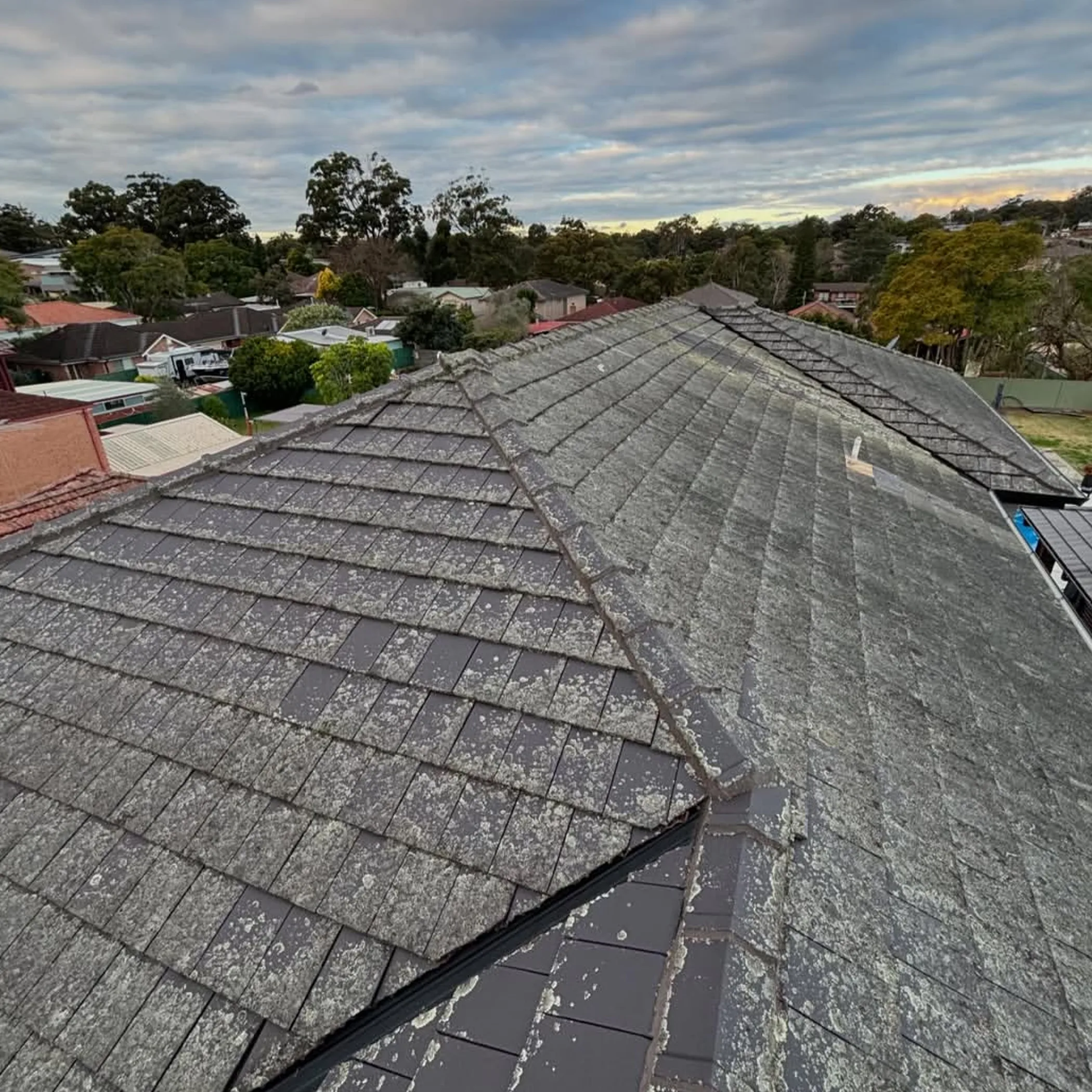
The weather here is a mixed bag. There are places with protracted dry periods and hard UV, and then you have tropical deluges, hail, severe storms, bushfire smoke and the salt spray of the coast. For official data on these patterns, the Bureau of Meteorology has its Australian climate information and data on hand.
While building codes recognise eight broad climate zones in Australia, localities can be their own thing. Put the same system on a windy headland, a roof under paperbarks or a shaded block in the suburbs and the demands on it will be quite different.
Local Weather First
Put aside the sales brochure and look at the climate. Anywhere near Port Macquarie, Newcastle or Lake Macquarie, a coastal owner has to think about salt. Inland, the heat and dust and wide temperature swings take precedence. Then there is the matter of roof size and shape; a small downpipe on a large roof will be swamped no matter how fine the gutter is. It is easy to lay the blame at the material’s door when the issue is really inadequate outlets or blocked downpipes. For context, steel gutter durability Australia can vary with exposure. And while a mozzie is an irritation, a flooded eave costs money.
Steel: Durability and Coatings
Homeowners in Australia tend to go for galvanised or pre-finished coated steel. You get a neat look and more rigidity and dent resistance than from something of a thinner make. But installation and the coating chosen are key, in wet or coastal spots especially.
Colorbond and Zincalume are the usual steel fare. How they hold up is a function of the coating system, the fasteners, cut edges and if leaves and soil are left to sit on the metal. Do not expect any coating to be a panacea for a lack of upkeep.
Where Steel is Appropriate
For a firm, stable gutter with plenty of colour and profile to choose from, steel is a good fit for many Australian homes. It is sensible in inland or suburban locales provided it is specified right and kept clear. A homeowner may also want the roof, fascia and gutter to present a unified front.
On a long run the rigidity of steel is an asset, though it does not make for a forgiving installation. Temperature changes mean expansion and contraction have to be taken into account. Exposed cut edges, a join not sealed properly or the wrong screw and you have a point of early corrosion.
Coastal Steel
Salt spray is corrosive. A steel system can be used near the coast if the installer is judicious in the fixing and coating he puts in place. Do not put incompatible metals together and keep an eye on the joins, brackets and downpipe connections.
Most will tell you to look at the face of the gutter but the weak points are the rivets, mitres, screws and cut edges. A bit of rust around a fastener should be dealt with before it is an orange streak running down the fascia.
Aluminium to Withstand Salt and Rain
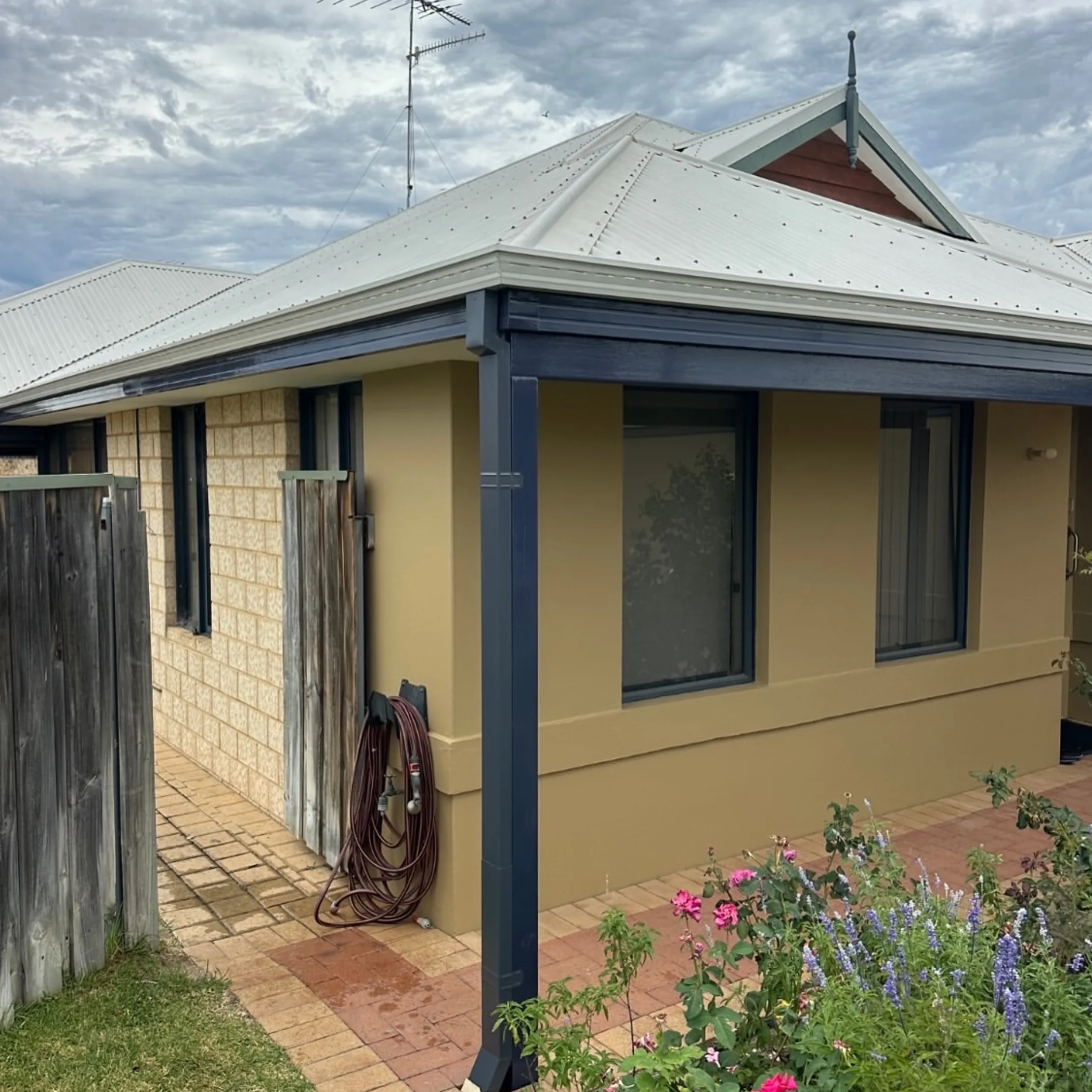
There is an appeal to aluminium gutters; they are light, come in various profiles and will not rust like steel, which is why they are popular along the coast. Provided the system is of the right size and put in correctly, it will do its job in wet country too.
It is a softer metal so ladders and wayward branches can put a dent in it. Not a show-stopper in most cases, but something to bear to mind on a tree-lined property or where storm debris is common.
In terms of strength, aluminium is relatively easy to handle at installation time and gives sound resistance to corrosion in salty air. The material is only half the story in a wet climate; it is the profile depth, where you put the outlets and the downpipe capacity that will dictate the rate at which water is shed from the roof.
With seamless aluminium gutters one can have fewer joints in a run, which in turn means there are less opportunities for a leak to develop. Do not be under the impression that seamless equates to no maintenance, a leaf or two can make trouble of an unbroken piece all the same. Corners, end caps and outlets demand good workmanship regardless.
Aluminium Requires Some Attention
Improper installation or a hard impact will damage aluminium. One should also see to it that fixings and sealants are of a compatible kind. The installer has to look at the system as a whole when selecting the gutter, not in isolation, since some metals or treated materials in contact with it could lead to galvanic corrosion.
In the case of a home on the coast where salt spray is an issue, regular inspections and a wash-down will do something for its longevity. If the property is near a river mouth, an exposed lake or the ocean, put it to the installer as to how well the product of his choosing stands up to those conditions.
The Case For PVC
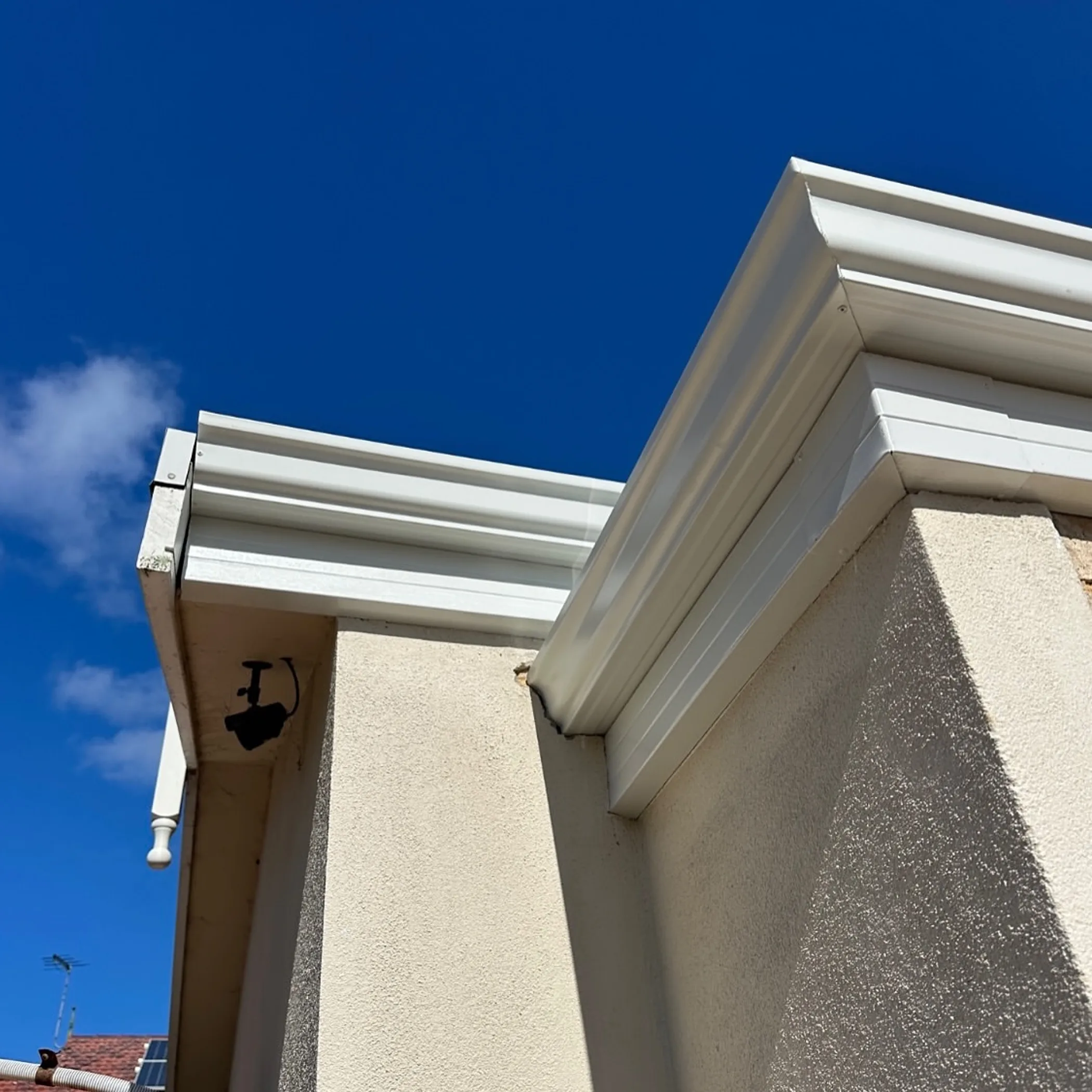
Australia’s homeowners tend to go for PVC for the simple reasons that it is affordable, easy to put in and light. It will not rust and the cost is right for a small outbuilding or a renovation done on a budget. On a modest roof with easy access and where the rating is right for the outdoors, PVC is a practical option.
But then there is the matter of long term exposure. A lot of plastic will become brittle or fade under UV and lose some of its resistance to being hit. Being more given to expansion and contraction than metal, the brackets and joins in a PVC system must be properly spaced and installed.
Where PVC Is Most Appropriate
You will find it in garages, verandahs and the like, or on a smaller house where the rainfall is not excessive. Corrosion need not be a worry so long as the product is fit for the local climate and the installer does what the manufacturer says.
On a large roof or in a cyclone zone, or where branches are apt to fall, one would be wise to be more circumspect with PVC. There is nothing cheap about a gutter that goes in two during a storm and takes your cladding or stored goods with it. In the Top End and other places with high rainfall, do not assume all gutters are created equal, check the capacity.
A Comparison Of Steel, Aluminium And PVC
Any homeowner in Australia would be well advised to look beyond the quote when making a comparison of these three. The outcome is a function of material price, the quality of the job, roof catchment, weather and so on.
What follows is a table to get started, though in practice performance will be dictated by the grade of product, the coating, the fixing method and the like.
| Material | Main Advantages | Main Limitations | Useful Australian Applications |
|---|---|---|---|
| Steel | Durable and rigid with good dent resistance, a wide range of colours | Heavier than PVC; coatings, fixings and joins are susceptible to corrosion | General residential, inland and suburban |
| Aluminium | Lightweight and has strong corrosion resistance, works well in many coastal situations | Dents more easily; requires sealants and fixings of a compatible type | Roofs where lighter components are called for, wet areas, the coast |
| PVC | Rust free, light, inexpensive and a cinch to handle | Thermal movement, impact and UV can be an issue | Budget projects, sheds, verandahs and the odd small roof |
Look At The System As A Whole
To have gutters that last anywhere in Australia, one must take stock of the fascia, the overflow path, the downpipes and the joins along with the gutter. You cannot rely on a top dollar material to make up for a downpipe that is not up to the roof catchment or a gutter fall in the wrong direction.
And when quotes are on the table, make sure they cover the removal and disposal of the old ones, any repairs to the fascia, an upgrade to the downpipes, overflow and the equipment to gain access. Add in the extras and a low quote is not so appealing. An Australian way to do arithmetic.
Climate Zones And Material Choice
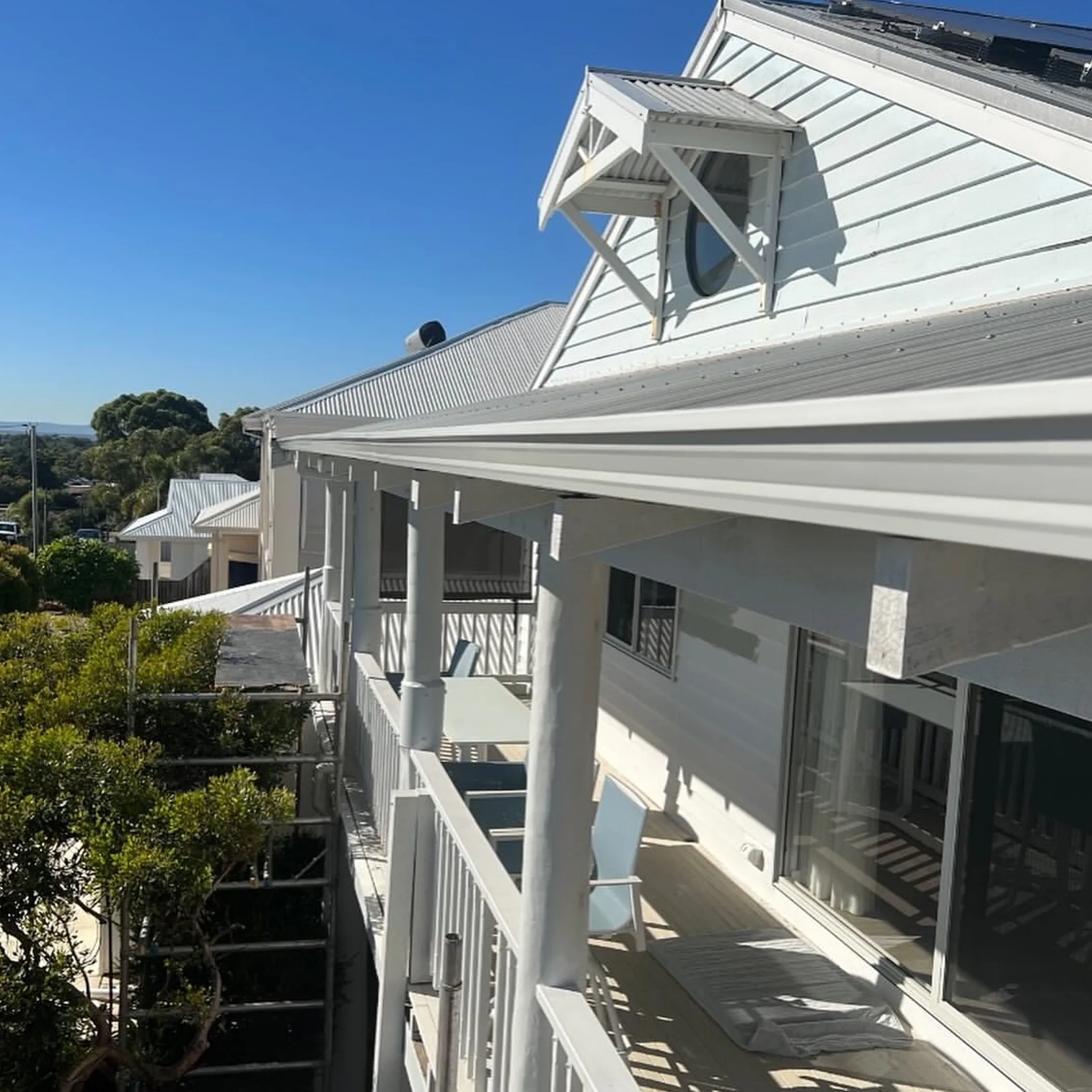
No one material is going to be the answer for every address. What is best is determined by the combination of severe storms, vegetation, the size of the roof, UV and salt content.
Consider the material part of a chain of decisions. You might get better results from having a good profile and downpipes in the right place than switching from one fine material to another.
Wet Tropics
Cairns and its northern neighbours call for easy cleaning, solid fixings and outlets you can rely on. With the wind and rain that comes with a cyclone alert or the wet season, deep half-round or some other high-capacity profile is to be preferred on a roof with a large catchment. Metal for its rigidity is a common choice, though aluminium has its appeal if you want to guard against corrosion. With PVC one has to be sure of its UV stability and how it will fare in a storm. Downpipes and overflows must be commensurate with the roof area come what may.
Coastal And Lake Districts
The air in and around Port Macquarie, Newcastle and Lake Macquarie can be heavy with salt and subject to strong winds and rain. Aluminium is well suited to these conditions by virtue of its resistance to corrosion; coated steel will do the job provided the fixings and coating are up to the exposure.
One should inspect gutters in the wake of a big storm. Salt and leaf debris can compound any minor damage to the coating. It is advisable to give exposed parts a rinse where possible, clear damp corners of debris and put a stop to any incipient corrosion.
Inland And Southern Areas
Frost, dry dust and severe UV are among the challenges for homes in the south and inland, along with some abrupt shifts in temperature. Steel has its merits for rigidity, aluminium is a sound choice for its corrosion properties and PVC can be used on unexposed structures of a smaller scale so long as it stands up to the UV.
Then there is Melbourne, where the weather has a way of turning between breakfast and a trip to the shops. Blocked gutters are more of a seasonal affair here than an isolated incident, with summer storms, winter rain and autumn leaves putting the system through its paces.
Profiles And Fall For Better Flow
All the focus may be on the material but it is water management that sees gutters perform. The profile depth, downpipe size, outlet spacing and gutter fall have to be in concert to see water off the roof and not left to pool.
Australian installers will put forward a figure of 1:500 for the fall, say 2 mm to the metre, though the right set up is a matter of the product, roof design and installation demands. A qualified installer can confirm the spec; one should not assume such a number is universal.
Roof Catchment Profiles
A deep half-round is a traditional look with good capacity. Box gutters might fit the architecture but they are no substitute for a standard eaves gutter; they call for a more exacting approach to design, waterproofing and maintenance.
When it comes to the kind of heavy rain found across Australia, do not just go by average rainfall figures. Make allowances for what happens in an intense burst. A downpipe already taking water from another part of the roof will be hard put to it if the sky opens and the gutter was only good for a light shower.
Downpipes And Overflow
Efficient collection and safe discharge from the building is what downpipes are for. Valley flows or a complicated roof line may warrant extra outlets. An overflow is useful to keep water out of the roof space should the gutters block or the system is over its head.
An undersized system is not remedied by gutter guards. They will cut down on leaves but dirt and pollen can build up on top and impede flow, and they still require cleaning.
Longer Life Through Maintenance
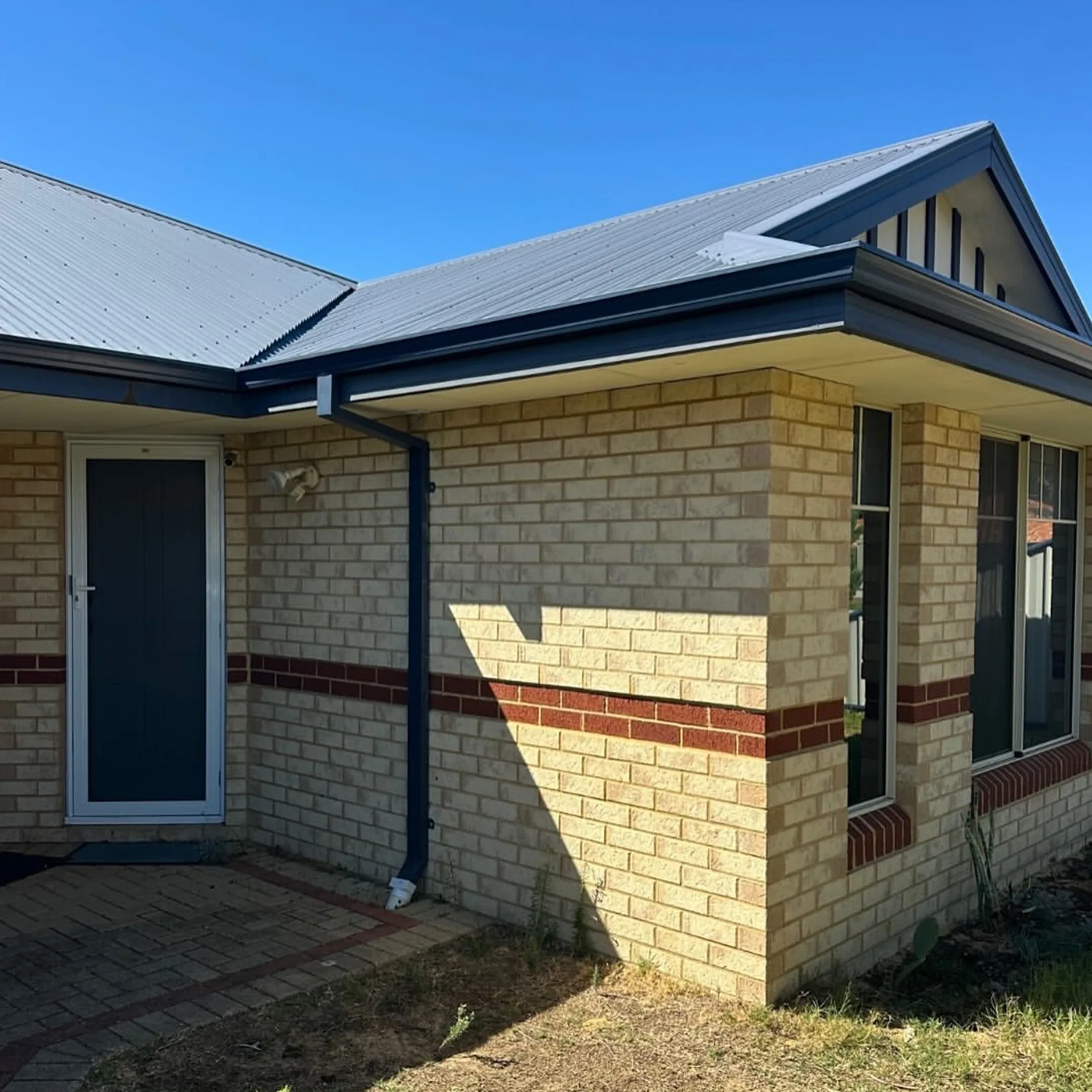
There is nothing glamorous about maintenance compared to picking a colour, yet it is the difference in service life. Do at least a seasonal check, or after a hard storm, particularly when the home is near salt water or under the boughs of trees.
Any sagging, standing water, rust or a damaged coating should be seen to, as should loose brackets or cracked PVC. A bit of repair work is preferable to having to replace wet fascia or put right internal damage.
Checklist
- Remove all roof grit, mud, nests and leaves from the outlets and gutters.
- Make sure water is making its way to the downpipes and not collecting in the low spots.
- Give the joins, end caps, screws, brackets and any cut edges an once-over.
- Make sure the downpipes are discharging at a safe distance from walls, footings and paths to preclude any water damage.
- Where access is hard or there are electrical hazards, or if the roof is steep and of a fragile nature, put in for professional assistance.
In leafy areas gutter guards have their place, though one should be discerning as to what the debris problem actually is. A fine mesh will be clogged by dust and pollen; with larger openings leaves will get through. And no guard is an excuse to forgo inspection.
Expectation Versus Reality
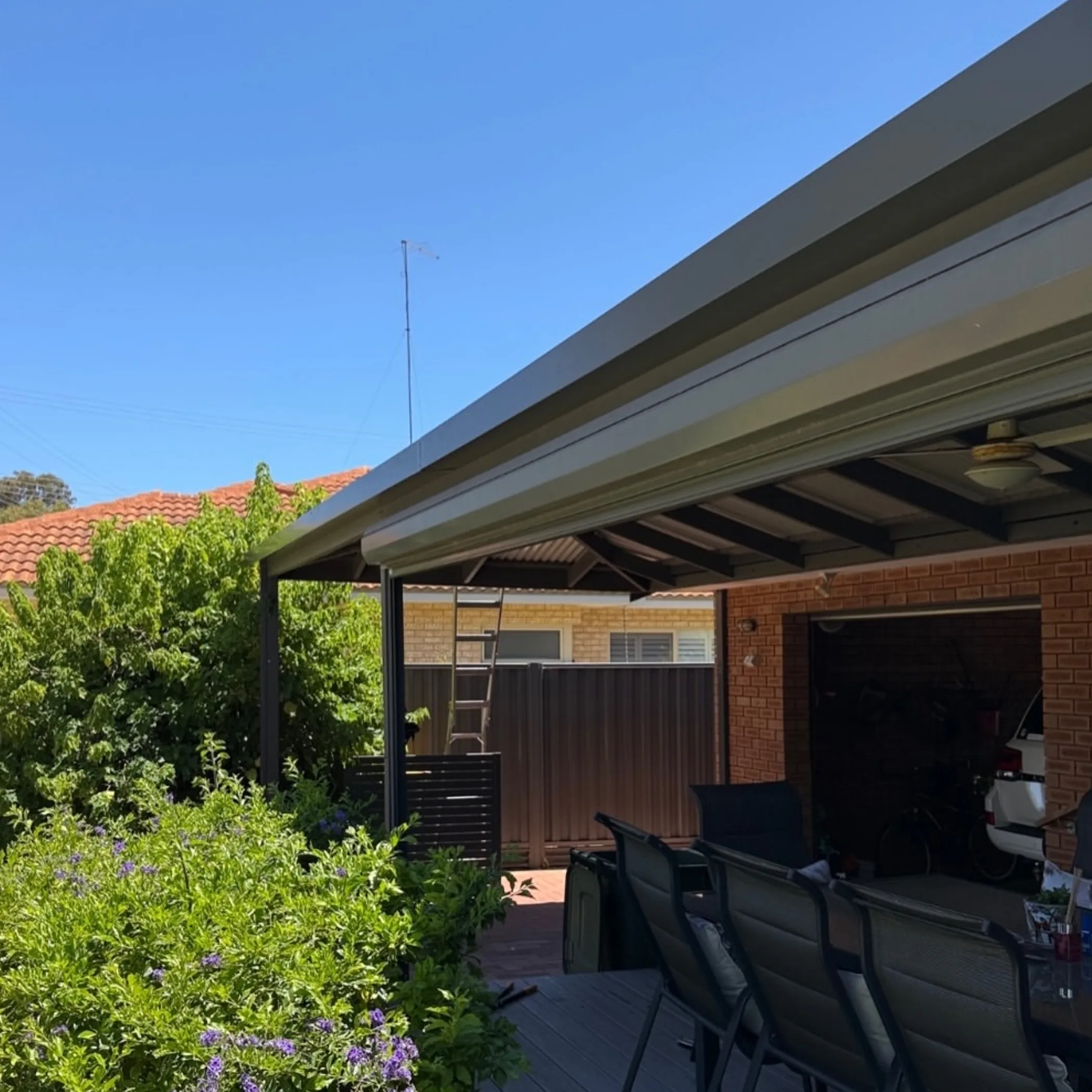
It is easy to think the priciest material is the most enduring, but in reality quality of installation, maintenance and exposure are every bit as important.
Or that rust resistance equates to being maintenance-free. Aluminium may not give you conventional rust, yet you can still have trouble from dirt, incompatible metals, moisture that has been trapped or a damaged surface.
Some hold that a bigger gutter will put an end to overflow. In fact the whole system has to be designed, from the roof catchment and fall to the outlets and downpipes.
I have a practical rule: find out what is going to fail at your address. It might be blockages under trees, capacity or attachment in storm country, or corrosion on the fixings if you are close to the coast. Let that dictate the material.
Frequently Asked Questions
What Are The Best Gutters For Heavy Rain In Australia?
You will find the best gutters for heavy rain across Australia to be properly sized systems with the right profile, sufficient outlets and downpipes and overflow provisions as well as adequate fall. Provided they are put in correctly, steel and aluminium will do the job. Do not let the material alone make the call on how it will perform in a storm.
Do Gutters And Fascia Need To Match?
Not necessarily. While matching colour or material is a matter of aesthetics, compatibility is of more consequence. Enquire as to the fixings, sealants, moisture exposure and the possibility of galvanic corrosion between dissimilar metals.
What Is The Recommended Gutter Fall Per Metre In Australia?
One would start with 2 mm per metre, or a 1:500 gradient. But the product, roof layout, where the outlets are and the like will determine the correct fall. A qualified installer will be able to put a specification to you for the property.
What Are The Three Types Of Gutters?
Steel, aluminium and PVC are the three materials that tend to be compared. Do not conflate that with a comparison of profiles such as half-round, box or quad.
Are Colorbond Gutters Better Than Aluminium?
There is no automatic advantage to either. Colorbond gives you rigidity and coordinated colours, aluminium is lighter and resists corrosion. Which is preferable comes down to the quality of the installation, the design of the roof, impact risk and how much coastal exposure and maintenance you want to put up with.
Make The Choice Climate-Specific
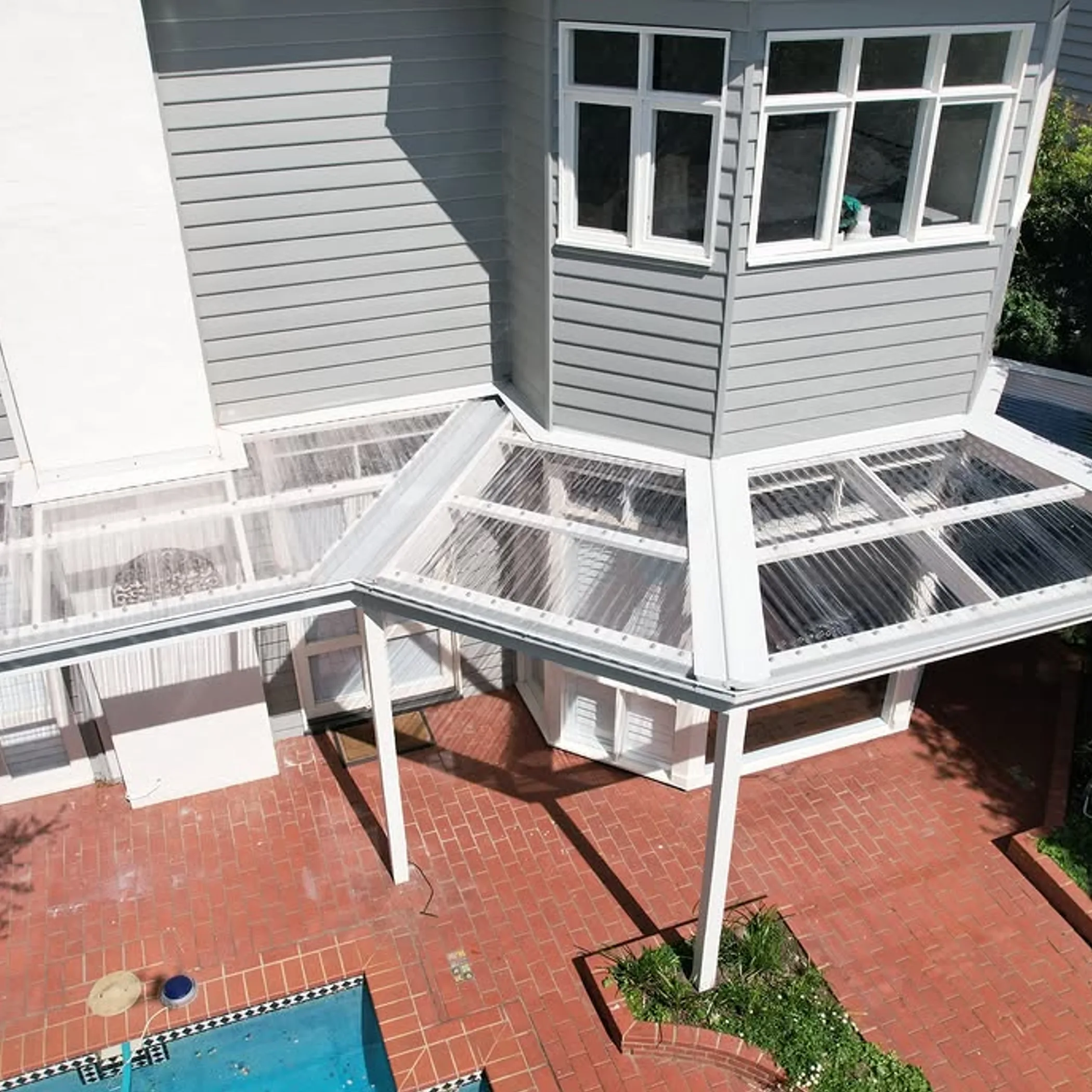
Match the site and steel, aluminium or PVC will all serve an Australian home well. Steel is a good all-rounder, aluminium for its corrosion resistance in coastal settings, and PVC will see you through on a smaller project or budget where UV and storm demands are not excessive.
When you have a quote in hand, go over the material and coating, the profile, the plan for overflows, downpipe capacity, fixings and what is entailed in the way of maintenance. A few words now will save you having to deal with a ceiling stain in the future. The homeowner’s choice of the best gutter in Australia is simply the one that is right for the climate and the way the property is used.
{ “@context”: “https://schema.org”, “@type”: “FAQPage”, “mainEntity”: [ { “@type”: “Question”, “name”: “What Are The Best Gutters For Heavy Rain In Australia?”, “acceptedAnswer”: { “@type”: “Answer”, “text”: “You will find the best gutters for heavy rain across Australia to be properly sized systems with the right profile, sufficient outlets and downpipes and overflow provisions as well as adequate fall. Provided they are put in correctly, steel and aluminium will do the job. Do not let the material alone make the call on how it will perform in a storm.” } }, { “@type”: “Question”, “name”: “Do Gutters And Fascia Need To Match?”, “acceptedAnswer”: { “@type”: “Answer”, “text”: “Not necessarily. While matching colour or material is a matter of aesthetics, compatibility is of more consequence. Enquire as to the fixings, sealants, moisture exposure and the possibility of galvanic corrosion between dissimilar metals.” } }, { “@type”: “Question”, “name”: “What Is The Recommended Gutter Fall Per Metre In Australia?”, “acceptedAnswer”: { “@type”: “Answer”, “text”: “One would start with 2 mm per metre, or a 1:500 gradient. But the product, roof layout, where the outlets are and the like will determine the correct fall. A qualified installer will be able to put a specification to you for the property.” } }, { “@type”: “Question”, “name”: “What Are The Three Types Of Gutters?”, “acceptedAnswer”: { “@type”: “Answer”, “text”: “Steel, aluminium and PVC are the three materials that tend to be compared. Do not conflate that with a comparison of profiles such as half-round, box or quad.” } }, { “@type”: “Question”, “name”: “Are Colorbond Gutters Better Than Aluminium?”, “acceptedAnswer”: { “@type”: “Answer”, “text”: “There is no automatic advantage to either. Colorbond gives you rigidity and coordinated colours, aluminium is lighter and resists corrosion. Which is preferable comes down to the quality of the installation, the design of the roof, impact risk and how much coastal exposure and maintenance you want to put up with.” } } ] }