
The way we approach shark mitigation in Australia is being made more precise with 2026; it is more driven by technology and intent on lessening harm to the marine environment and to people. The message for those in the water is straightforward: make use of mitigation tools for what they are, an extra level of protection rather than some kind of force field, then do your due diligence with local alerts and conditions and steer clear of unnecessary risk.
One will not find a national tally for 2026 of great white sharks, deaths or encounters in the material at hand for this piece. That is significant. Headlines will have you believe there are hard numbers on shark statistics before the year’s data is in, and one bad incident is enough to colour public opinion. I am Elowen Fairchild and I would put a plain answer to you before a dramatic one: sensible prevention and reporting that is not all noise is what is required in Australia.
Shark Trends In Australia
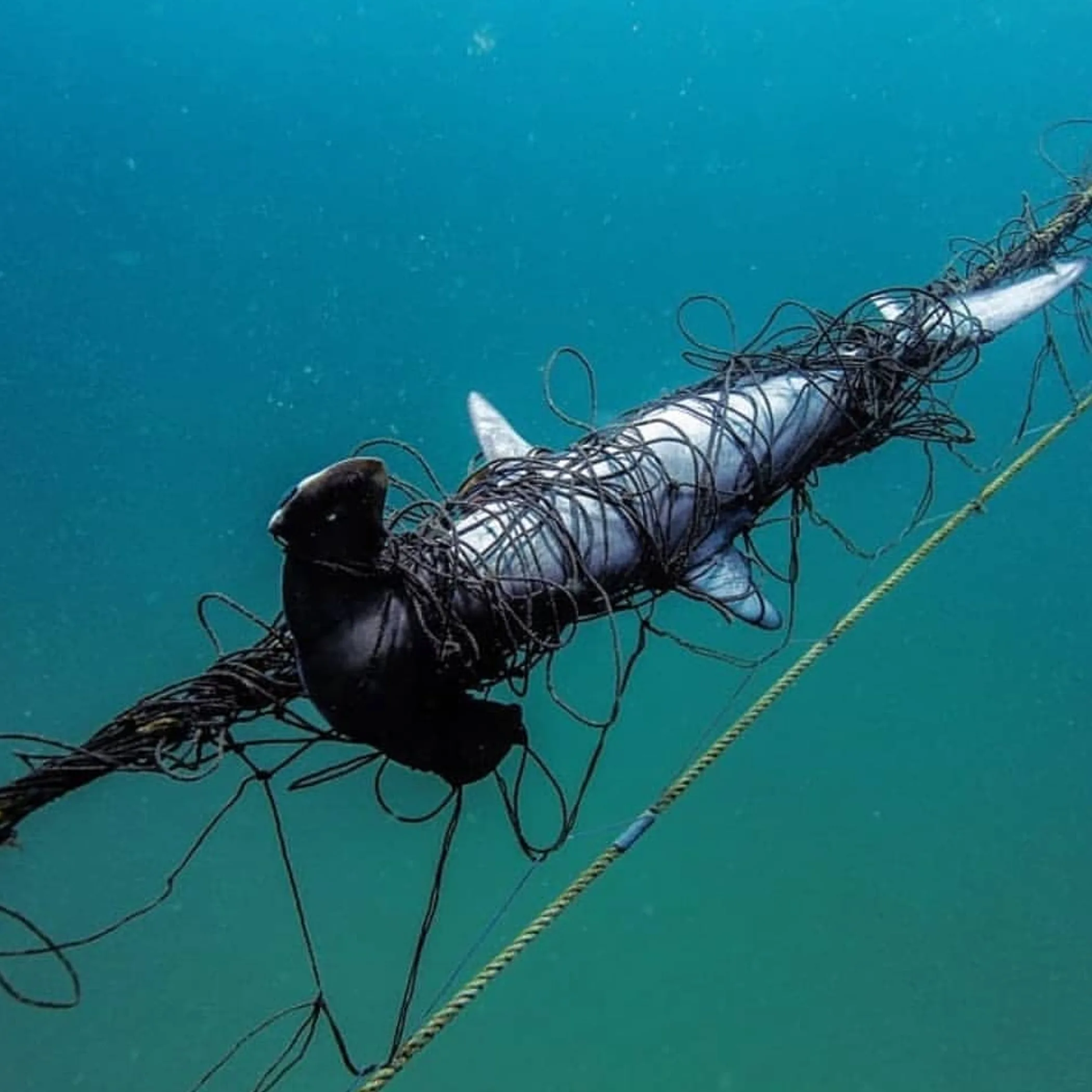
You will see Australia-wide trends dictated by the vagaries of weather and water quality, human activity and how things are reported, to say nothing of where the animals go. Better surveillance means an encounter is put on record when it might have been missed in the past, and with more bodies in the water so too are the interactions between them and sharks.
Australian shark management of late has been to blend non-lethal response with observation and swift warnings, supporting secure swimming practices along Australian coasts. It is not about making out that there is no risk. The ocean has not entered into any arrangement for risk-free use; coastal waters are home to wildlife.
What the Data Tells You
Take a national headline figure with a degree of caution. One source may call an “attack” a fatality or an injury, another an encounter or a bite. A sighting is not necessarily contact. So it is well to read whether the report is of a confirmed bite, something unprovoked or provoked, a fatal outcome or merely an observation.
| Question | Reliable 2026 Position | Implications |
|---|---|---|
| How many national attacks? | The source does not give a verified full-year total. | Do not take an early media count for the annual trend. |
| Fatalities? | There is no verified 2026 national number here. | Look at the official classification of the incident, the date and place. |
| Great white shark population? | No single reliable count is to be had. | Estimates differ according to the method, region and definition. |
| Is there more shark activity? | Cannot be said from the data on offer. | What happens in one locality is not indicative of the nation. |
Changing Encounters
When water conditions and prey and people happen to coincide in a different way, so do the encounters. You have warming oceans, El Niño, climate shifts and storms that will put baitfish and larger predators in new places but that is not proof of an attack.
Situational awareness is key. An estuary can appear calm yet be full of murky water and fish, and after a rain a fine afternoon will not give you good visibility. Common sense has its uses.
Clues in the Weather and Water
Give post-storm murkiness your attention; it hampers the view for people and for those doing the surveillance. Baitfish will be drawn to harbour entrances and river mouths after a rainfall or with the tides.
From November through April the wet season in the north will have you dealing with strong currents, cyclone warnings and flooding. Down south winter brings cold water and shorter days and perhaps not as many on the beach, but do not think the wildlife is any less active for the lack of crowds.
Humpback whales, seals and baitfish are simply part of the scene. Their being there is not a prelude to an attack but it is an indication the water is busy and requires a bit of looking after.
Where People Go Wrong
It is a mistake to think a popular, open beach is safe by default. The tides and animal movement are not subject to the fact that a warning might be heeded. Some put their faith in mitigation gear for a guarantee of safety. There is none.
I have seen plenty of folks head for the water right after a storm because it seems quiet from the car park. After years of advising on practical matters I can say the visible part is seldom the whole story. Before you get in, check the return plan, the warnings and the water itself.
Regions And Species To Know
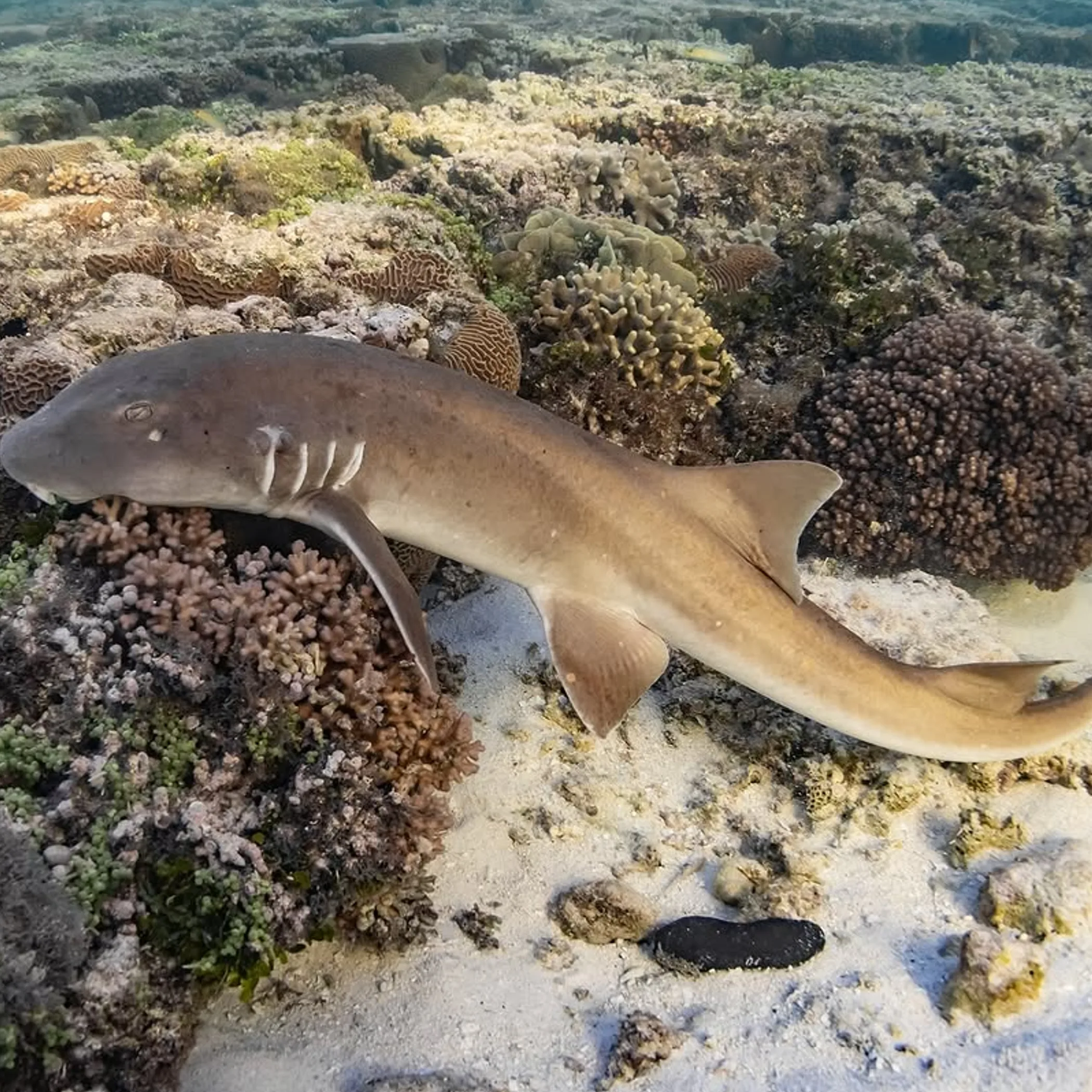
There is no one map of shark risk for all of Australia. A national reputation is of little use when the conditions in New South Wales, Queensland or Western Australia are not the same as those found in other coastal parts of the country; one is better served by local counsel.
When it comes to shark safety in Australia the conversation will often turn to white, bull and tiger sharks. But in a hasty encounter there is no way to be sure of the species, making it prudent to go by your location and the conditions at hand instead of any visual certainty.
New South Wales And Sydney
There are different environments to be had on the coastal beaches near Sydney Harbour and in the harbour itself where tides, rain, water clarity and boating can alter the situation. Shark mitigation in NSW is addressed through public alerts, tagging, listening stations, drones and SMART drumlines in certain areas.
Surfers would do well to heed beach-specific warnings and not think they are for swimmers alone. A shark put in sight of a break is a concern for all in the water, from paddleboarders and divers to those standing off to the side of the main swimming zone.
Queensland And Northern Waters
The warmer waters of Queensland, with its estuaries and rivers, see a good deal of beach traffic. Under the 2025–2029 Shark Management Plan the state focuses on a range of control measures as well as surveillance, tagging and informing the public.
One has to be locally aware of what is happening at river mouths and with the weather. In the tropics the wet season will have an impact on access, currents and visibility. It is best to check the status of the beach and have some water with you; a coastline you know well is no permanent assurance.
Western Australia’s Long Coast
Attacks in Western Australia are in the public eye for good reason: the state has a lengthy coast with its share of white shark habitat, surfing hot spots and isolated places to swim. Getting a response can be a matter of distance, away from the larger towns.
Those making their way along the coast should put more thought into it than a visitor to a patrolled urban beach. Make sure there is phone coverage and you know how to get to a road. Do not expect a remote beach to have the warning systems of a metropolis.
Detection Technology
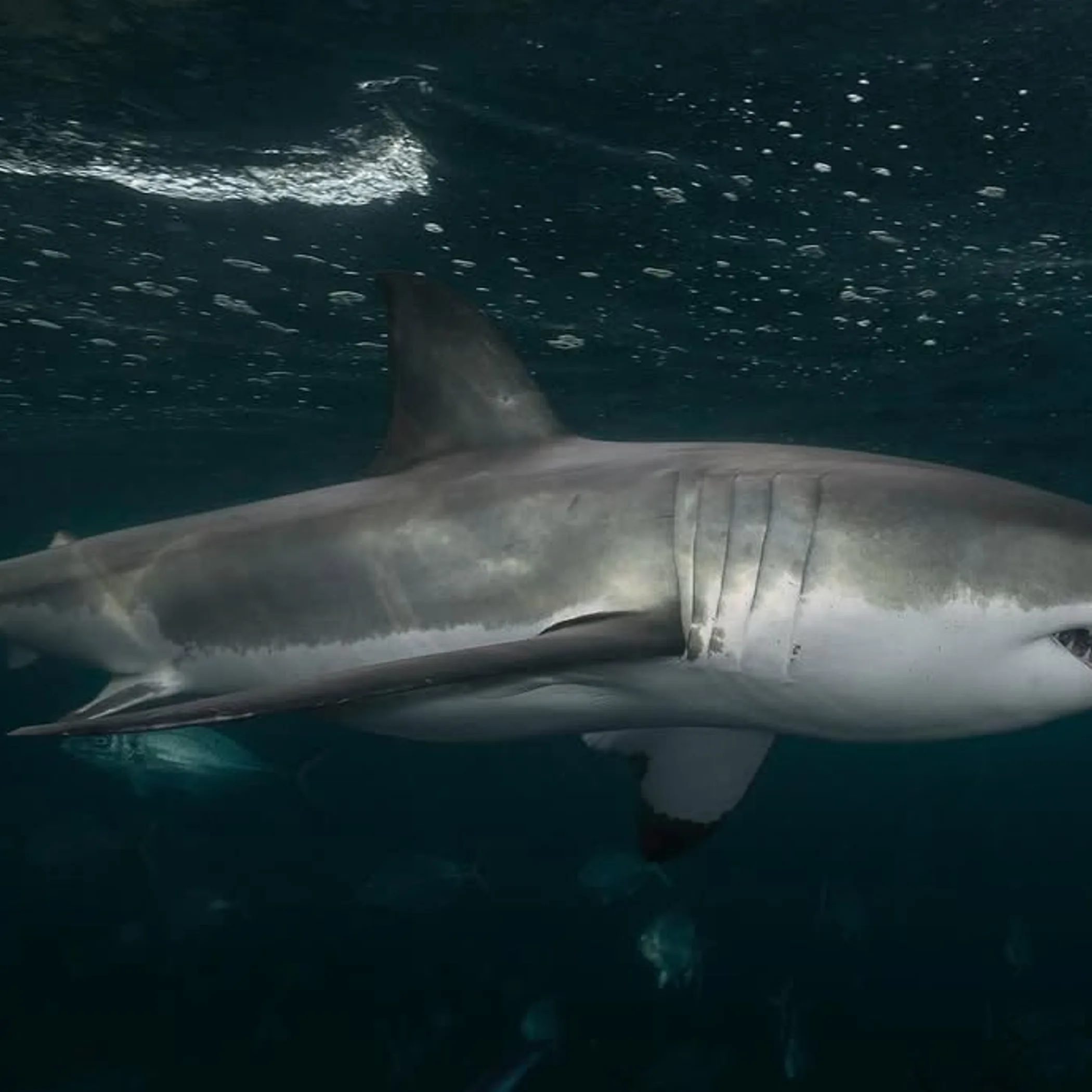
Trained operators can put a drone to work to get a moving picture of the water and spot a shark or a group of swimmers and how conditions are. AI tracking is of some help in recognising patterns but in the end the technology is only as good as the operator’s judgement, the equipment and the visibility.
Tagged animals in the vicinity are picked up by acoustic listening stations and buoys. The value of these systems is that they can put out an alert before things get too close, though they are not going to detect every shark or anticipate its every move.
Drones And Artificial Intelligence
Interpretation is hard with a drone if there is glare or chop in the water or the sky is overcast or there are too many swimmers in the way. An alert means to make your exit from the water in a calm manner, not to stick around for a closer view.
AI may flag a pattern for a human to review and make sense of the visual data but it is there to support the operator and public responsibility, not to take their place. A shadow can be misread by a person, a camera can overlook an animal. Layered protection is the sensible course.
Listening Stations And Buoys
For an acoustic station to register an animal it has to be tagged and within range. As such the buoys and associated systems are most effective in the areas being monitored and less so as a blanket promise for the whole of the coast.
Then there is the tag-and-release research which gives scientists a handle on movement without having to kill the animal. That in turn can point to where resources are needed and inform seasonal warnings and travel corridors.
Non-Lethal Measures
SMART drumlines are perhaps the most familiar form of non-lethal management. With baited lines and an alert system crews are able to respond, make an assessment and put the animal back in the water at a remove from where the swimmers are.
It is not a perfect arrangement. You need the right weather, boats and staff and to be quick about it. But it is a practical way to balance the safety of the public with not doing unnecessary harm to marine life.
What the SMART Drumline Programmes Do
In Australia the programmes are set up so that authorities are made aware when a line is triggered and can attend to it without delay.
For the user of the beach the thing to remember is that drumlines are a local programme, not something guaranteed across the nation. Even if the water is devoid of people, follow the closure signs and official word. An empty expanse of water is no substitute for science.
Reporting From the Community
Shark safety is enhanced in coastal communities by prompt and accurate reporting of sightings. If it can be done safely, put down the size of the animal, the time, the beach and roughly how far from shore it was and if anyone remains in the water.
There is no call to put out a boat to have a look or crowd the shore or put an unverified story on social media. A straightforward report is what allows authorities to act. A tall tale will have half the suburb in a panic before you have had your breakfast.
Shark Nets And Bycatch Costs
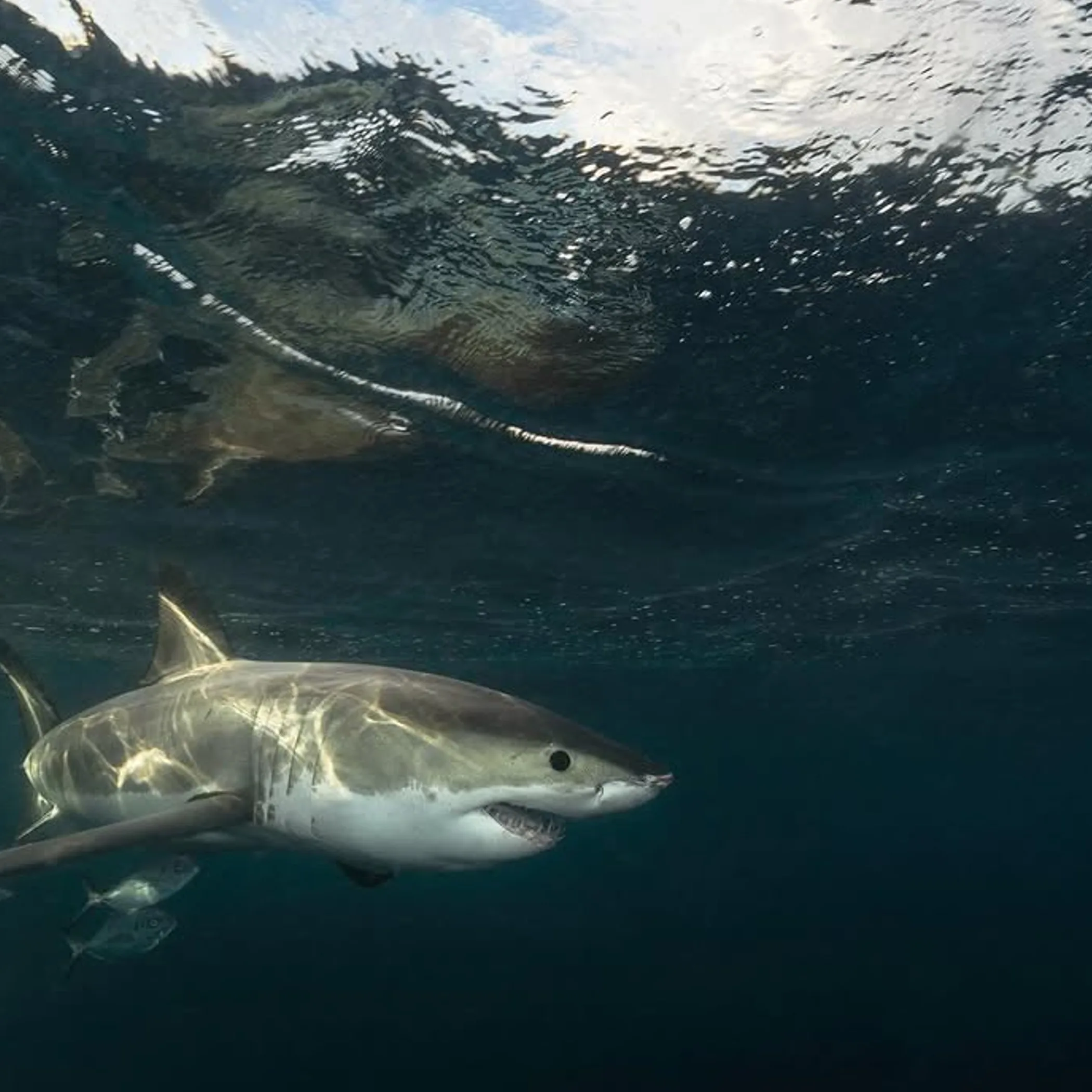
There is an element of lethality to shark nets as a means of control and they can keep some sharks from entering a given area, yet one would be wrong to think of them as an invisible wall; sharks and other creatures will simply go over, under or around.
Then there is the matter of marine bycatch, the principal environmental issue. Turtles, dolphins, rays and dugongs can become entangled in the nets, as can non-target sharks that are no threat to swimmers. It is for this reason that public discourse has of late been pitting ecological cost against the protection on offer.
Expectation And Reality
The expectation is that a neted beach is without risk. The reality is a net has its limits and is a control measure at a fixed point. One might think to eliminate the problem by ridding an area of all sharks but lethal control is not so absolute in a large coastal setting; it can have an effect on the ecosystem and on species you do not want to catch.
What is required of sound Australian shark management is the publication of frank information on bycatch, what can be achieved and how operations are evaluated, independently. As for safety measures, they should be more than reassuring signs put up for show; they must stand up to scrutiny.
Personal Protection In Water
No personal measure is a guarantee, though they can limit exposure where it is not needed. Common sense goes a long way: stay with your group, swim where there are patrols and be off if an alert is called. For guidance, the NSW SharkSmart programme has official safety and alert details. Local government may have their own take on things depending on the beach or the season.
A Simple Water Checklist
- Before you get in, see what the local alerts and beach signs say, and check the weather and any recent rain.
- Heed warnings and do not swim in the vicinity of river mouths or estuaries, nor where baitfish or fishing is going on.
- Swimming alone is to be avoided, at dawn or dusk, in water that is not clear or at some distance from the shore.
- An alert from the lifeguards, a drone operator or the authorities calls for a calm exit.
- Have a phone that is charged, know the road in and out and set an emergency meeting place.
Electronic deterrents can be of use in certain circumstances, but then again the device, the user and the environment will dictate performance. Do not let a piece of electronics give licence to disregard a warning. A Kevlar wetsuit is costly and can be warm and confining; while it may lessen the severity of an injury it will not stop a bite. Be realistic about your equipment and its limitations and focus on the water, not the gadget on your ankle.
Such is the basis of secure swimming on these coasts. It is a sensible routine for the visitor, the family or any ordinary swimmer and all the more so for the surfer or diver whose pursuits may mean reduced visibility, longer time in the water or attracting fish.
Planning A Safer Coastal Day
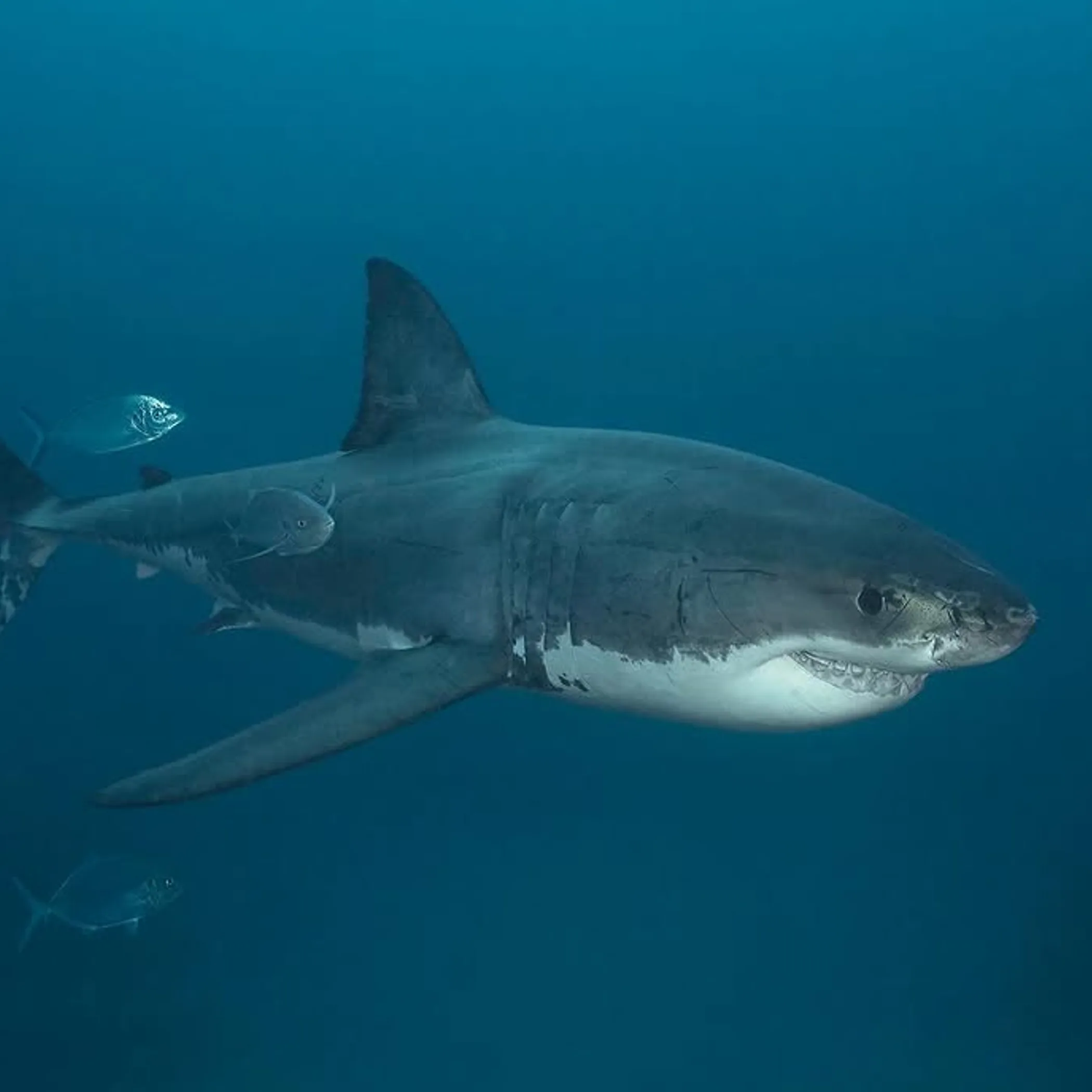
In Australia shark safety is a question of logistics in part. Put in a call to the official alert source before you head out, look at the tides and the forecast, and make sure you can get back if the conditions turn. If the day is short, a patrolled beach with staff and easy access is to be preferred over a remote one or an unknown spot for spearfishing. You can put off a casual visit to a river mouth; the ocean is not going anywhere but your dry towel might be.
Who Should Take Extra Care
Those who are new to it, children and solo travellers would be well advised to stick to supervised waters and remain near the shore, as would anyone not au fait with the local tides. There is advice for the diver or spearfisher to heed, inasmuch as underwater noise, a fish catch and bait can alter the circumstances.
Planning for a remote excursion along the coast must be more thorough, with fuel, evacuation, first aid and communications all accounted for. In Western Australia the sheer distance means a small matter can become a serious one. Then there are the northern parts where road and beach access may be curtailed by cyclone closures or wet-season flooding.
What Happens Next
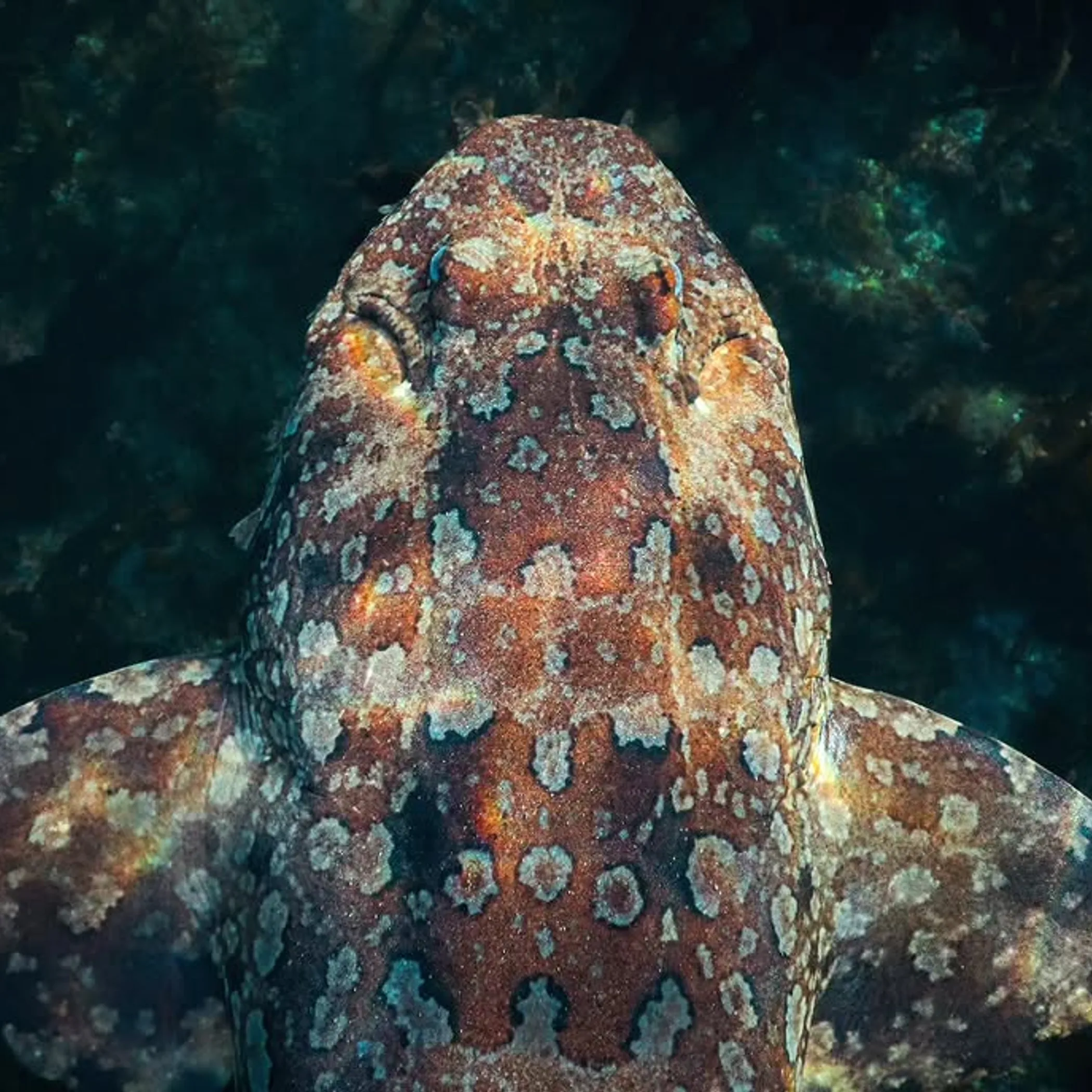
One would expect Australian shark management to put an emphasis on a mix of targeted intervention, research, swift communication and detection going forward. The question to be asked is not if any given device is “the answer”, but whether a suite of measures will curb serious injury without inflicting undue harm on marine life.
The policy debate is informed by state plans, coastal community opinion and Parliament of Australia deliberations. You have your residents who want their beaches to be safe, scientists after good data, and then the fishers, surfers, conservationists and those in tourism, each with their own set of risks and responsibilities.
Better Decisions For Communities
It is up to authorities to put it on the record what a programme is and is not detecting, the number of non-target animals involved and the speed of a team’s response. Such transparency allows people to see the reason for an alert or a closure.
Visitors can do their part by heeding signs and making responsible reports of sightings, instead of making a national issue out of an isolated incident. Shark trends are no illusion but they are not always as straightforward or headline ready as one might think.
Frequently Asked Questions
What Is The Latest News On The Shark Attack?
Nothing in the information at hand can be taken as a verified national update or points to a particular recent incident. One should go to the state authority for the official classification and date of the beach in question, not some social media post or an old headline.
How Many Great White Sharks Are Left In 2026?
A single national figure cannot be relied on here. Estimates of great whites vary with the region, how the population is defined and the survey methods used, and whether the sample is of adults or juveniles. There is no point in contriving a precise nationwide number.
How Many People Have Been Killed In Australia?
The source material does not have a 2026 fatality total that has been verified. Any figures should be confirmed with an authoritative database and put in the context of the reporting period; early tallies are subject to change once cases are classified.
Has Shark Activity Increased In Australia?
That is not something the available information will confirm on a national level. More interactions or sightings in some locales could be down to environmental factors, animal movement, better surveillance or simply how the beach is being used. A localised piece of evidence is worth more than a sweeping national assertion.
Do Shark Deterrents Guarantee Safety?
They do not. Be it protective gear, electronic deterrents, buoys, acoustic stations, nets, SMART drumlines or drones, they all have their limitations. They are best employed as an extra layer with group awareness and common sense, and knowing when to get out of the water.
Make The Sensible Call
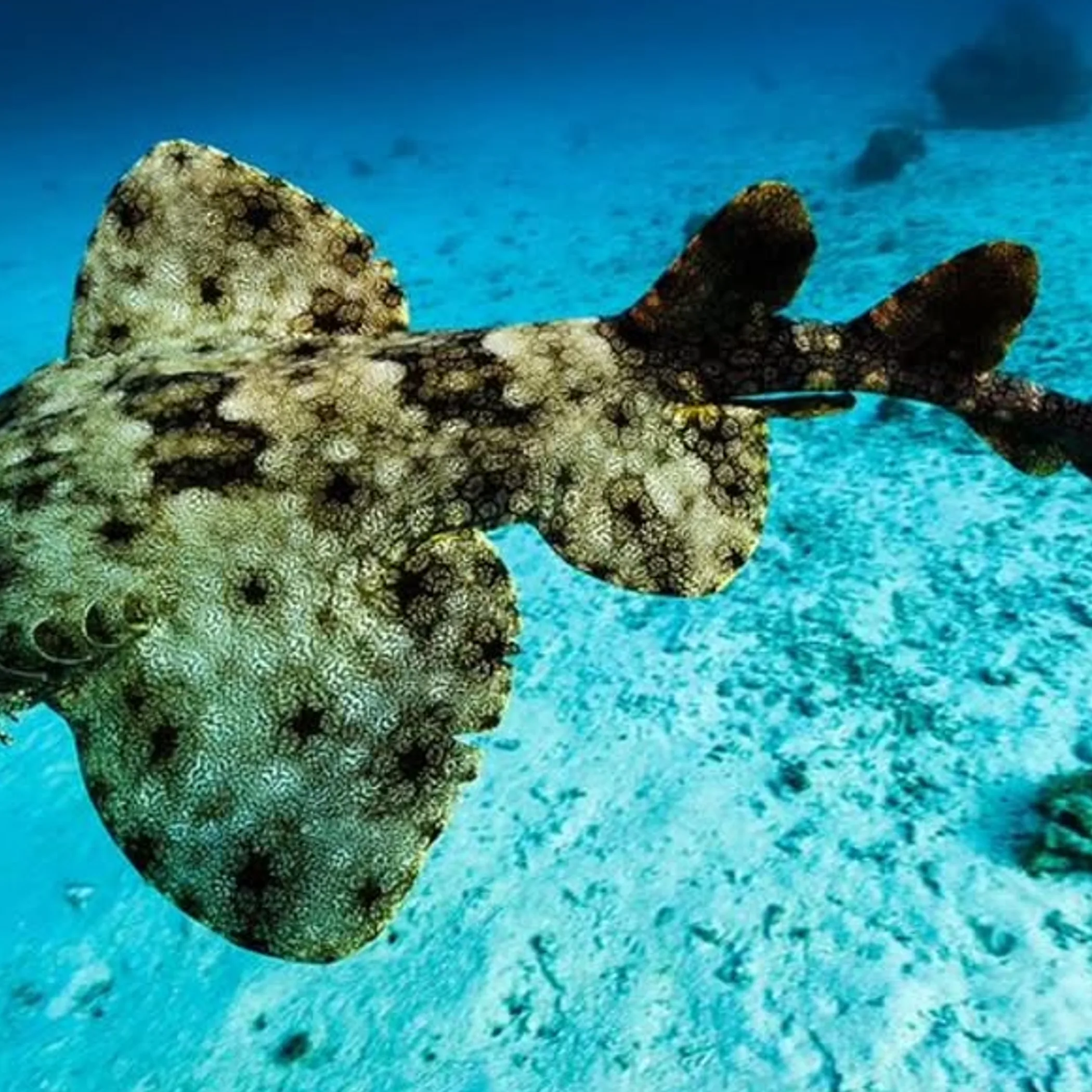
Preparation is the message from Australia 2026 on shark mitigation, neither complacency nor panic. Know the area you are in, be guided by the alerts and pick activities suited to your experience.
Technology has its place on this shared coastline but ultimately it is a matter of people paying attention. It may not be as much of a spectacle as some miracle gadget but it is of far more use.
{ “@context”: “https://schema.org”, “@type”: “FAQPage”, “mainEntity”: [ { “@type”: “Question”, “name”: “What Is The Latest News On The Shark Attack?”, “acceptedAnswer”: { “@type”: “Answer”, “text”: “Nothing in the information at hand can be taken as a verified national update or points to a particular recent incident. One should go to the state authority for the official classification and date of the beach in question, not some social media post or an old headline.” } }, { “@type”: “Question”, “name”: “How Many Great White Sharks Are Left In 2026?”, “acceptedAnswer”: { “@type”: “Answer”, “text”: “A single national figure cannot be relied on here. Estimates of great whites vary with the region, how the population is defined and the survey methods used, and whether the sample is of adults or juveniles. There is no point in contriving a precise nationwide number.” } }, { “@type”: “Question”, “name”: “How Many People Have Been Killed In Australia?”, “acceptedAnswer”: { “@type”: “Answer”, “text”: “The source material does not have a 2026 fatality total that has been verified. Any figures should be confirmed with an authoritative database and put in the context of the reporting period; early tallies are subject to change once cases are classified.” } }, { “@type”: “Question”, “name”: “Has Shark Activity Increased In Australia?”, “acceptedAnswer”: { “@type”: “Answer”, “text”: “That is not something the available information will confirm on a national level. More interactions or sightings in some locales could be down to environmental factors, animal movement, better surveillance or simply how the beach is being used. A localised piece of evidence is worth more than a sweeping national assertion.” } }, { “@type”: “Question”, “name”: “Do Shark Deterrents Guarantee Safety?”, “acceptedAnswer”: { “@type”: “Answer”, “text”: “They do not. Be it protective gear, electronic deterrents, buoys, acoustic stations, nets, SMART drumlines or drones, they all have their limitations. They are best employed as an extra layer with group awareness and common sense, and knowing when to get out of the water.” } } ] }