
NCC lead rules 2026
Under the 2026 NCC rules for lead content, any specified copper-alloy products in a drinking water system are subject to a 0.25% weighted average limit. When 1 May 2026 comes around, it will be incumbent on specifiers, importers, manufacturers, plumbers and builders to see that what they put in place has the requisite compliance evidence and is in keeping with the Plumbing Code of Australia.
In this guide Elowen Fairchild goes over the changes brought about by NCC 2025 Volume Three, which products are likely to be impacted and the role of WaterMark certification. She also covers what one should do prior to ordering or putting in components, including certified lead-free plumbing products. One point to bear in mind is that “lead-free” is not synonymous with an absence of lead; the code’s maximum weighted average is what counts.
What Changes With The NCC Lead Rules?
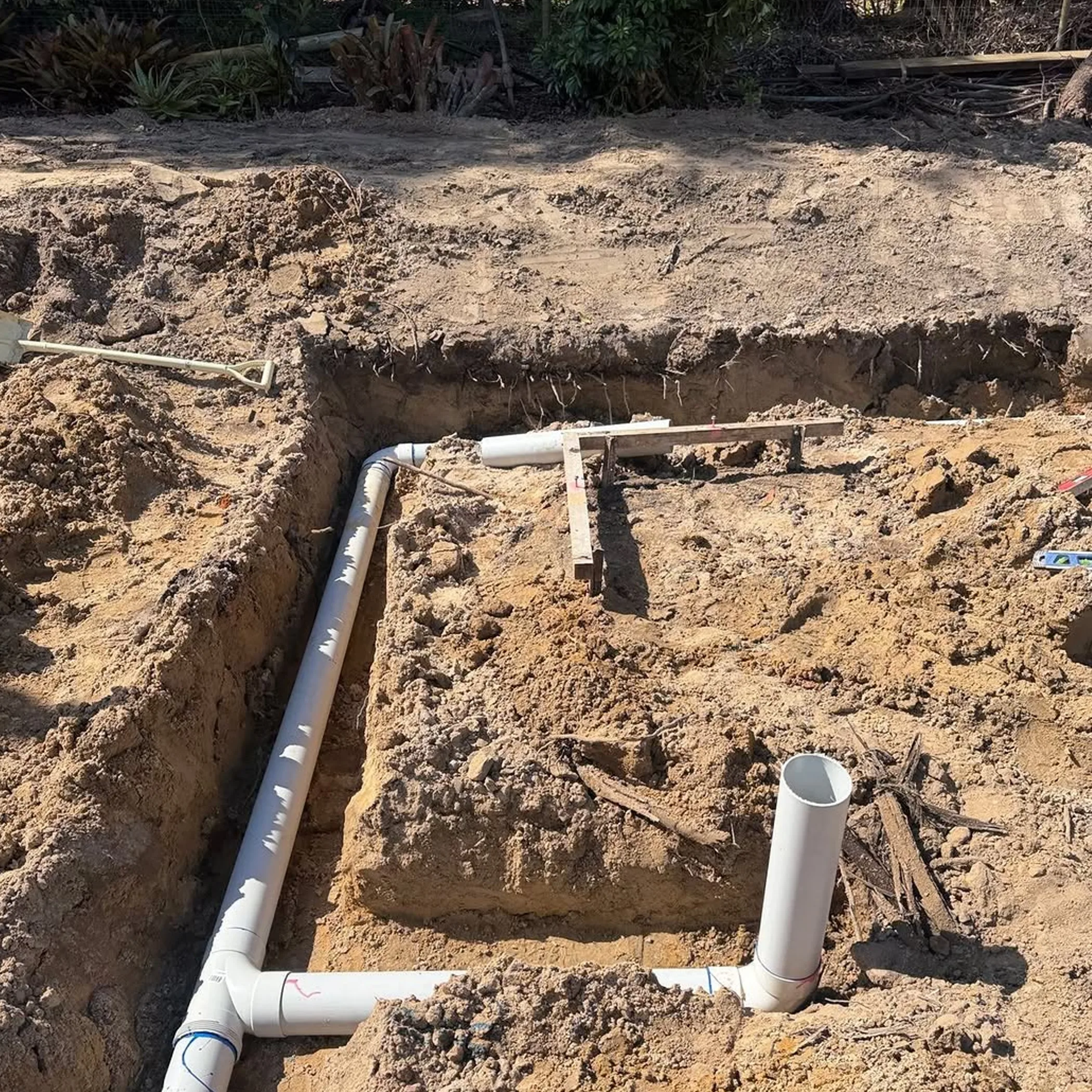
The National Construction Code is the technical framework for building and plumbing at a national level, the Plumbing Code of Australia being its Volume Three. The new requirement on lead content is there to curtail exposure from the sort of plumbing products that convey drinking water.
For the most part this applies to copper-alloy items in regulated plumbing work and new installations. Do not make the mistake of thinking a product that has done the job for years will pass muster today; an old supplier declaration is no way to run a job if you want to be sure.
What The Rule Is After
The 2026 lead limit in the Plumbing Code of Australia is directed at certain copper alloy plumbing products, those that could have contact with drinking water for instance. How it is applied will vary with the product and its use, as well as any state or territory stipulations.
Compliance is a matter of reading the NCC provisions and local plumbing rules together with the WaterMark requirements, not just taking a product label at face value. Clause A5G4(2) is a case in point.
On The 0.25% Limit
By weight the limit is 0.25 per cent or 2,500 ppm. It is a weighted average, so the figure is not necessarily reflective of every surface or part. Where a fitting is made up of different materials and components the distinction is relevant. To call such a product “lead-free” would be misleading in common parlance; it is merely within the code’s allowance for the application.
Weighted Average In Practice
The calculation is a function of the mass and proportion of the materials in question. A larger component of low concentration will factor into the equation in a different manner than something smaller with more lead in it.
Technical documentation from the supplier is therefore important. You cannot determine compliance from the trade name, price or colour. Something of a copper hue is not always a copper alloy and claims of low lead require formal evidence to stand up to the NCC.
Reality Check
One might expect: a “lead-free” marking to mean exactly that.
The regulation, however: will allow for lead to the extent of the weighted average. Only treat the term as shorthand when there is test evidence or certification to back it up.
There is a tendency to put too much stock in an overseas certification, a manufacturer’s word or an old WaterMark approval as proof of compliance with the new rule. They may be of some assistance but the current Australian requirement must be verified.
Copper-Alloy Products
Valves, tapware, fittings and the like have long been made of brass and similar alloys, making them a focus area. But the compliance route is not the same for all copper-alloy items; context and purpose are key.
A fitting on the supply to a kitchen tap is not going to be viewed in the same light as a component in a non-potable system, though local rules and certification should be looked at either way.
Things To Put Under The Microscope
As a matter of course before procurement, give some thought to the brass and other copper-alloy fixtures, adaptors, manifolds, connectors and valves that are to come into contact with drinking water. Use the following as a means of screening, not in lieu of the regulator or the NCC.
- Make a note of any copper alloy and if it is for drinking water.
- Determine if it is for new or regulated work.
- Make sure the product in question has a valid WaterMark certification and review its scope and conditions.
- For any Australian requirement that is applicable, have on hand the test reports or declarations on lead content.
- The project file should have a record of where the product was installed as well as the model number, supplier and approval particulars.
Do not be misled by a product catalogue as to the significance of a component; the plumbing plan will make that clear. Even in a plant room a product is of consequence if it is the source of drinking water further downstream.
The Requirements
From 1 May 2026 the new requirements are due to come into force. Consider this a control point for the project: an invoice does not warrant a cursory look when products are being put in place at the time of the transition, they must be properly vetted.
Compliance is more than just the national rule. State and territory authorities can and do enforce the NCC via their own legislation and registration systems. Where work is to be certified or inspected once the commencement date has passed, the local authority is the one to take note of.
New Work as Against Existing
One makes a distinction between what is already in situ and new or regulated plumbing. An existing fitting that is in order need not be taken out with the advent of a new rule, though system extensions or replacements will bring their own obligations.
Renovations are where things can get tricky. A plumber putting in a new tap is a simple enough repair but introduce new pipework, a manifold or a change to the drinking water connections and the job may have to be viewed as new regulated work. If there is any ambiguity over the line, put in a call to the state or territory plumbing authority before you start. It is a good deal less dusty, and cheaper, to make a five-minute check than to open up a wall post-inspection.
WaterMark Certification
In Australia a great many drainage and plumbing products require WaterMark to be in compliance. The certificate is proof of assessment under the proper arrangements yet it has to pertain to the specific product, model and installation conditions. There is no such thing as “it looks certified” so examine the status and scope. Should the product come in different materials or sizes, ensure the evidence is for the version you are installing.
What to Look For
On the affected products there should be documentation, be it a manufacturer declaration, test report or schedule, that ties them to the NCC Volume Three lead-free provisions and the WaterMark conditions.
Then again, commercial material is full of marketing speak. “Lead safe”, “low lead” and “lead-free” are not interchangeable. What matters is whether the paperwork proves the product meets the 0.25% weighted average for lead content in the way it is to be used. Rely on the formal approval details for your selection of certified lead-free products, not a sticker or some recollection from a past project on the part of the salesperson.
Exemptions
Depending on the context of the installation and the type of product, the NCC provision may exempt some from the lead-content requirement. This is not carte blanche for every item from the same maker. Specialised components or non-potable applications have their own rules. Document who made the determination and why the exemption is in order.
Check Exemptions Carefully
Do not think a product is exempt because it is behind a wall, outdoors or not on a tap. If there is a possibility of it feeding the drinking water supply then the connection is what counts. For any proposed exemption, have the supplier evidence and the plumbing professional’s approval to hand along with the NCC reference and a description of the product. Note the source if a state or territory rule is the deciding factor.
Installation
Most of the preparation is of the paperwork variety, which is to say it will save an expensive dispute down the track. Specifiers, plumbers and builders would do well to see that their schedules and inspection records are in order ahead of the 1 May date.
I have found in putting together plain-language guidance that it is seldom a case of not grasping a rule. More often people are let down because the information is all over the shop, in an inbox or on a delivery docket or an antiquated certificate. Keep the evidence in one spot.
A Checklist for the Project
- Put copper-alloy products slated for future work through an audit.
- Make a separation of the drinking water components from the rest.
- Get the latest on WaterMark and lead content from your suppliers.
- See that the certificates match the use, size and model.
- Run the commencement requirements by the appropriate state or territory authority.
- Make changes to the procurement schedules in order to preclude any casual non-compliant substitutions.
- Retain the project’s compliance and inspection documents on file.
In the course of a day’s compliance review, one should put first the products that come into contact with drinking water or have copper-alloy bodies, as well as those prone to being swapped out for want of supply. Should the original item be unobtainable, these are where a nasty surprise is most apt to turn up.
Standards, Authorities And Responsibilities
While the National Construction Code and Australian Standards are of a piece, they are not the same thing. The NCC has the regulatory performance and technical provisions put in place by Australian building and plumbing law; the Australian Standards are the technical specifications one may call upon for guidance or as a requirement.
The NCC framework is the preserve of the Australian Building Codes Board and product certification is underwritten by WaterMark. Regulators in each state and territory see to the administration of licensing, enforcement and plumbing work. It is seldom that a single document will have an answer to everything.
| Compliance Question | Useful Evidence | Who Should Check |
|---|---|---|
| Does the product conform to the lead-content limit? | A declaration, test report or certification record from the manufacturer, importer or specifier. | Manufacturer, importer and specifier |
| Is it sanctioned for the plumbing at hand? | Current WaterMark certificate and scope | Plumber and project certifier |
| Are local rules being followed in the installation? | State or territory plumbing requirements | Licensed plumber and builder |
| Any exemption? | Written technical basis and applicable code reference | The responsible compliance professional |
Until such time as the latest NCC material is put to use and local requirements verified prior to installation, that is the way to go. For the national code framework the ABCB NCC information is where one should begin.
Common Compliance Mistakes
To mistake a product catalogue for a certificate is the first error. It will tell you about the product but cannot vouch for the model’s certification or its adherence to present lead-content rules. Then there is the conflation of “potable” and “compliant”. Advertising to that effect does not constitute the evidence required for an Australian installation. Substitutions are not properly policed either: a plumber might be handed a fitting of like appearance from a different brand and find the certification and material are not the same.
What Catches People Out
There is a certain difficulty with imports as the terminology, approval marks and testing done overseas do not always jibe with our plumbing standards. An overseas certificate is background evidence of a sort but no substitute for what is required here.
Records left wanting are another issue. A photo of the box is all very well but make sure to put away the model number, batch data, any correspondence with the supplier and the certificate details. The paperwork should not end up in the skip along with the packaging.
Frequently Asked Questions
What Does Volume Three Cover?
It is the Plumbing Code of Australia and part of the NCC. Under the aegis of Australian regulatory arrangements it has the provisions for plumbing and drainage systems covering health, safety, performance and so on.
What Are Current Australian Plumbing Standards?
One will encounter a mix of NCC, WaterMark conditions, state or territory legislation and the like. It is better to look at the current NCC and what the local authority has to say than to put faith in a standard from some previous job.
Can You Download The NCC?
From the ABCB one can get the NCC. Be sure to consult the official source for the edition and amendments in force and that you are looking at the proper Volume Three and not something that has been superseded.
NCC Versus Australian Standards
Do not consider them interchangeable. The NCC is the framework of the national code; the Standards are the technical documents that the NCC or a contract may see fit to reference.
Does Lead-Free Mean Zero?
Not of itself. In the case of some plumbing products the test could be for a 0.25% weighted average. The product’s certification and other evidence will confirm how the requirement stands.
Final Compliance Takeaway
After 1 May 2026 the sensible thing is to have a look at the copper-alloy products in your drinking water system, verify the 0.25% limit on lead and the WaterMark evidence and make sure the state or territory is happy before you install.
Leave the “lead-free” marketing and old stock labels to one side. With a clear head on every component and your certificates and register in order the job will be compliant and you will avoid a rather grim discussion next to an open wall.
{ “@context”: “https://schema.org”, “@type”: “FAQPage”, “mainEntity”: [ { “@type”: “Question”, “name”: “What Does Volume Three Cover?”, “acceptedAnswer”: { “@type”: “Answer”, “text”: “It is the Plumbing Code of Australia and part of the NCC. Under the aegis of Australian regulatory arrangements it has the provisions for plumbing and drainage systems covering health, safety, performance and so on.” } }, { “@type”: “Question”, “name”: “What Are Current Australian Plumbing Standards?”, “acceptedAnswer”: { “@type”: “Answer”, “text”: “One will encounter a mix of NCC, WaterMark conditions, state or territory legislation and the like. It is better to look at the current NCC and what the local authority has to say than to put faith in a standard from some previous job.” } }, { “@type”: “Question”, “name”: “Can You Download The NCC?”, “acceptedAnswer”: { “@type”: “Answer”, “text”: “From the ABCB one can get the NCC. Be sure to consult the official source for the edition and amendments in force and that you are looking at the proper Volume Three and not something that has been superseded.” } }, { “@type”: “Question”, “name”: “NCC Versus Australian Standards”, “acceptedAnswer”: { “@type”: “Answer”, “text”: “Do not consider them interchangeable. The NCC is the framework of the national code; the Standards are the technical documents that the NCC or a contract may see fit to reference.” } }, { “@type”: “Question”, “name”: “Does Lead-Free Mean Zero?”, “acceptedAnswer”: { “@type”: “Answer”, “text”: “Not of itself. In the case of some plumbing products the test could be for a 0.25% weighted average. The product’s certification and other evidence will confirm how the requirement stands.” } } ] }