
Kakadu Trails And Access
There is nothing like a good hike in Kakadu, provided you have done your homework on the season and determined the right season for Kakadu visit, the state of the track and your own mobility. Kakadu puts on a fine show with its escarpment walks, lookouts, boardwalks and cultural sites, but do not be under any illusion that accessibility is uniform; the more famous haunts are subject to heat, flooding and the odd seasonal closure.
This is the place to come if you want to know what is really manageable in Kakadu and what is not, or where wheelchair access is a fact and not just an aspiration. To put it in Elowen Fairchild terms: some of these walks are as easy to do as they are to like. Others will appear straightforward on paper until the sun is out and the stones are slick and you find yourself with one bottle of water and an overabundance of optimism.
The Realities Of Walking In Kakadu
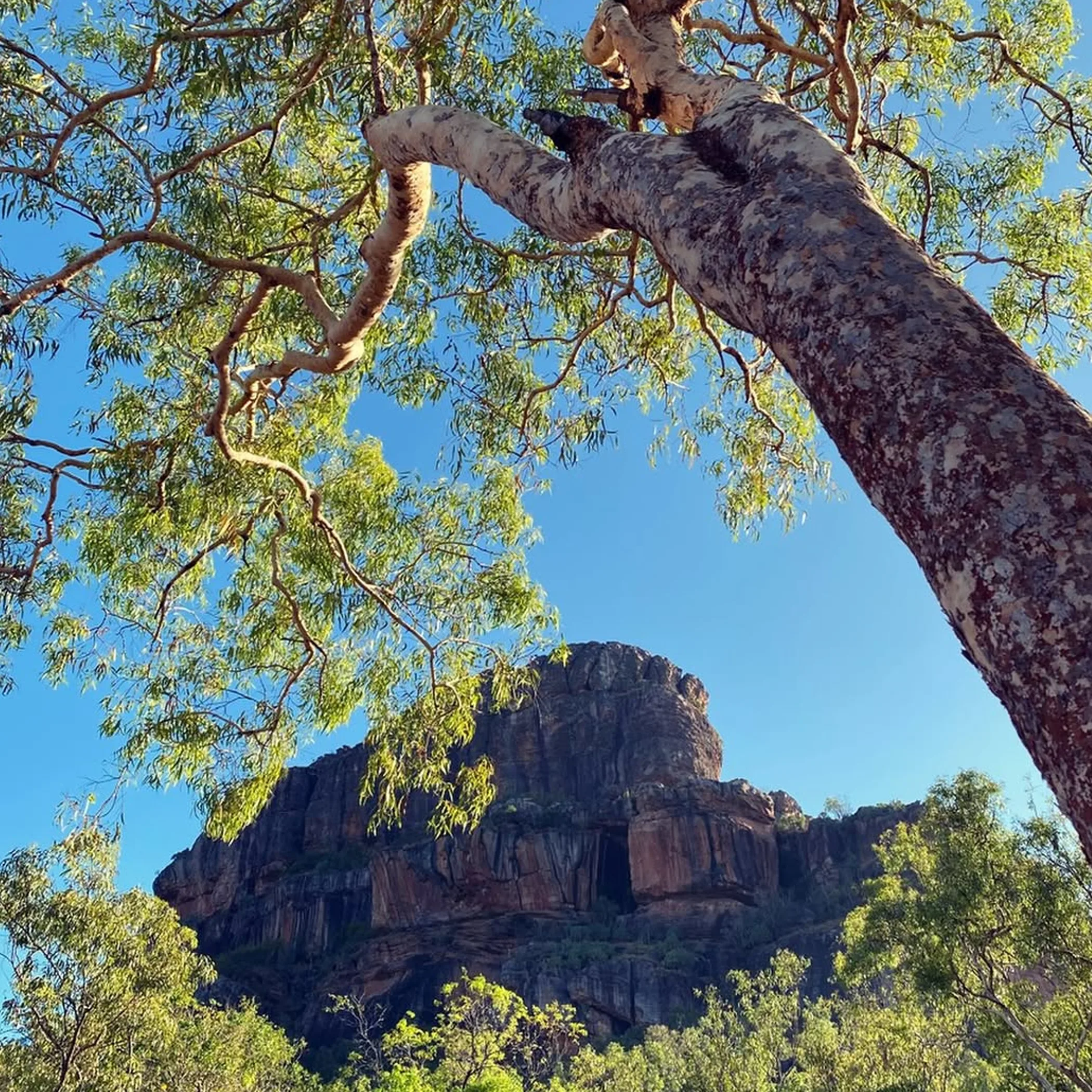
First-timers often think of Kakadu National Park as a matter of getting out of the car and putting a tick by a lookout. It is not. The park is immense and of great cultural import, with long distances to be covered and a climate that has teeth; Top End humidity will make even a brief walk feel like more than it is.
Planning is where most travellers have their troubles, not motivation. You would be well advised not to lump all of Kakadu’s hikes into one category of “a walk” when they can be anything from a steep sandstone ascent to a short wetlands boardwalk.
Expectation Vs Reality
One might expect open and flat attractions that can be had in a day. But Parks Australia will tell you the park is close to 20,000 square kilometres and that water levels and maintenance dictate access. An otherwise sensible itinerary can fall apart without up to date information. For that, refer to the official visitor page at Parks Australia for Kakadu National Park.
It is rarely the length of the track that gets to people. More often it is the lack of shade, the driving, the rough ground and the compulsion to halt for every bit of rock art or bird call around Yellow Water billabong. Put some slack in your schedule. Dawdlers are rewarded in Kakadu.
An Overview Of Accessibility
Kakadu has accessible walks, of a sort. At some sites you will find sealed or compacted paths, viewing areas and toilets to suit. Elsewhere there are steep climbs to lookouts, sandy edges and creek crossings. Do not assume that family-friendly equates to mobility-friendly; a pram or walking frame can be an impediment on a rocky surface or sharp gradient.
Who Is Best Placed
You will make the most of a day in the park with your own vehicle and the flexibility to change course. Easier days are to be had for the older traveller or a family with school children who want to see the wetlands and culture without being made to work for it.
For those with balance problems, little tolerance for the heat, or who are wheelchair bound, some forethought is called for. There are no hop-on, hop-off conveniences here so public transport must be put in place.
Making Sense Of Access
Take a trail rating with a grain of salt unless you also consider conditions. A boardwalk is one thing in theory, quite another after a storm or if the edge has been washed away. Car parks and dunnies are the same. I make a distinction between what you can get to in a car, what is easy to get into and what is comfortable to finish. In Kakadu they are separate matters.
Some Easy Walks
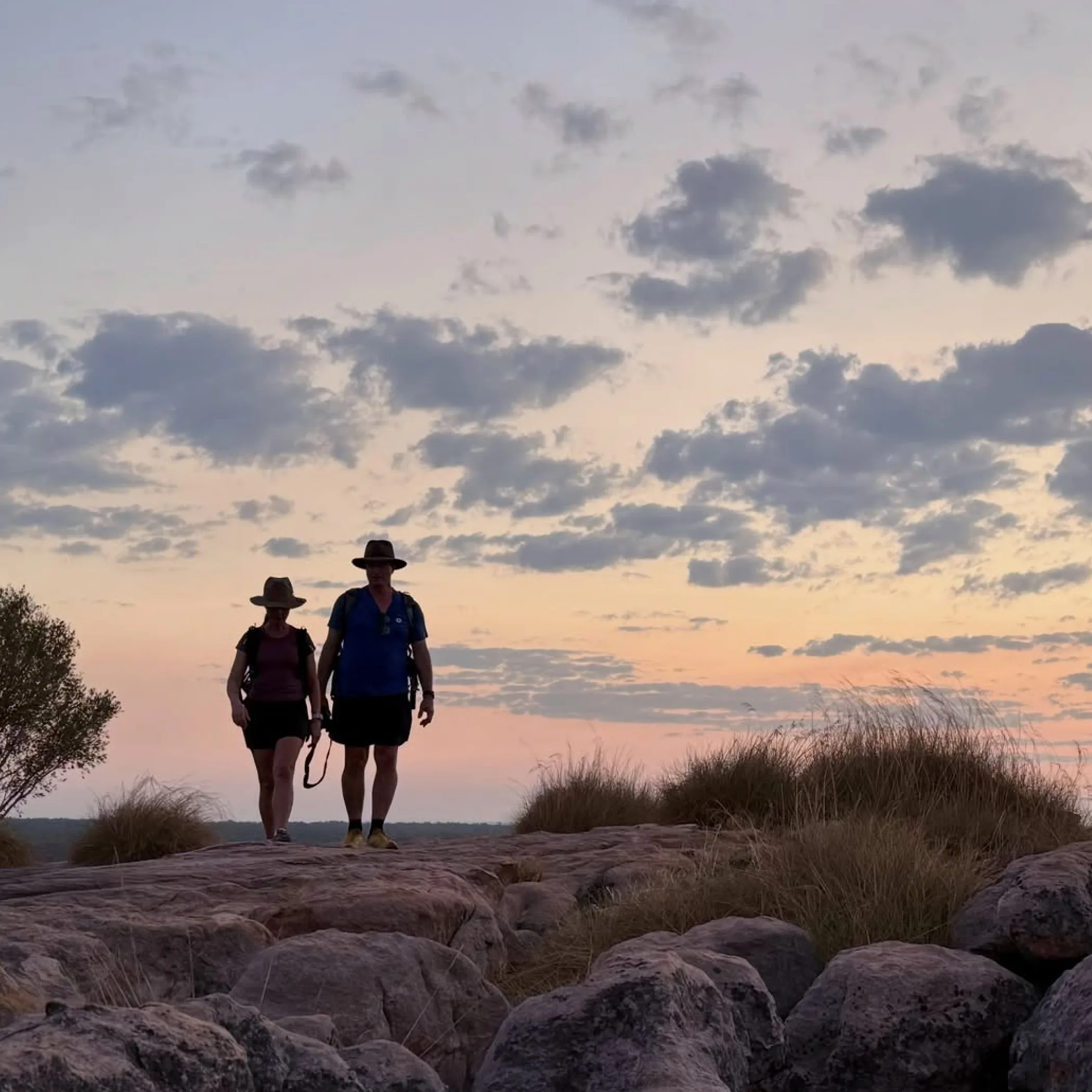
If you are with people of varying fitness, the short walks are the way to go. The wetlands and cultural sites are done particularly well in Kakadu, as are the boardwalks and lookouts that give you your money’s worth and let you hear the birds. On a hot day they are still an option since the time commitment is reasonable, but not cool. Get an early start on a kilometre or so at 8:00 am and you will have a different experience to doing it later in the morning.
Mamukala And Yellow Water
For a simple way to get to know the wetland systems and some birdlife, the Mamukala Wetlands is a good bet. For a traveller in the mood for something of brief duration and no desire to putter over rocks or put in an escarpment walk, the viewing areas and boardwalks are well suited.
Then there is Yellow Water Billabong. While it has a reputation for cruises more than long walking tracks, any map of Kakadu will have you factoring it in when making your plans. A short walk in the vicinity to go with a cruise or a view is wiser than to put yourself out for a big hike in the heat. Should you be with a party member for whom a longer walk is not on, this area does not make for a compromise but a day in Kakadu proper.
Ubirr And Nearby
A trip to Ubirr is classic Kakadu; the rock art, the distances and the lookout all add up to that. The route to the lookout is not universally accessible though, with some rocky ground to contend with on the way up, so only in part can one call it so. There are flatter cultural sections to be had nearby where one can linger over the interpretation signage. Most make the mistake of wanting to get through Ubirr in the middle of the day. It is a place for a slower pace, and the stone underfoot is quite another matter when hot.
Nourlangie And Anbangbang
Shorter walks and rock art are what make Nourlangie a must. You will find less of a climb on the stone around Anbangbang Billabong and more ease of movement, which for a first timer is a practical way to be introduced to the cultural side of things.
The Nawurlandja Lookout is frequently done in conjunction with Nourlangie yet proves more of a demand than is anticipated. Do not think of it as a casual post-lunch amble in thongs, even if the reward is good. Any problems with balance or steep rock and you are better off in the lower cultural zones instead.
Routes That Are Harder But Worth It
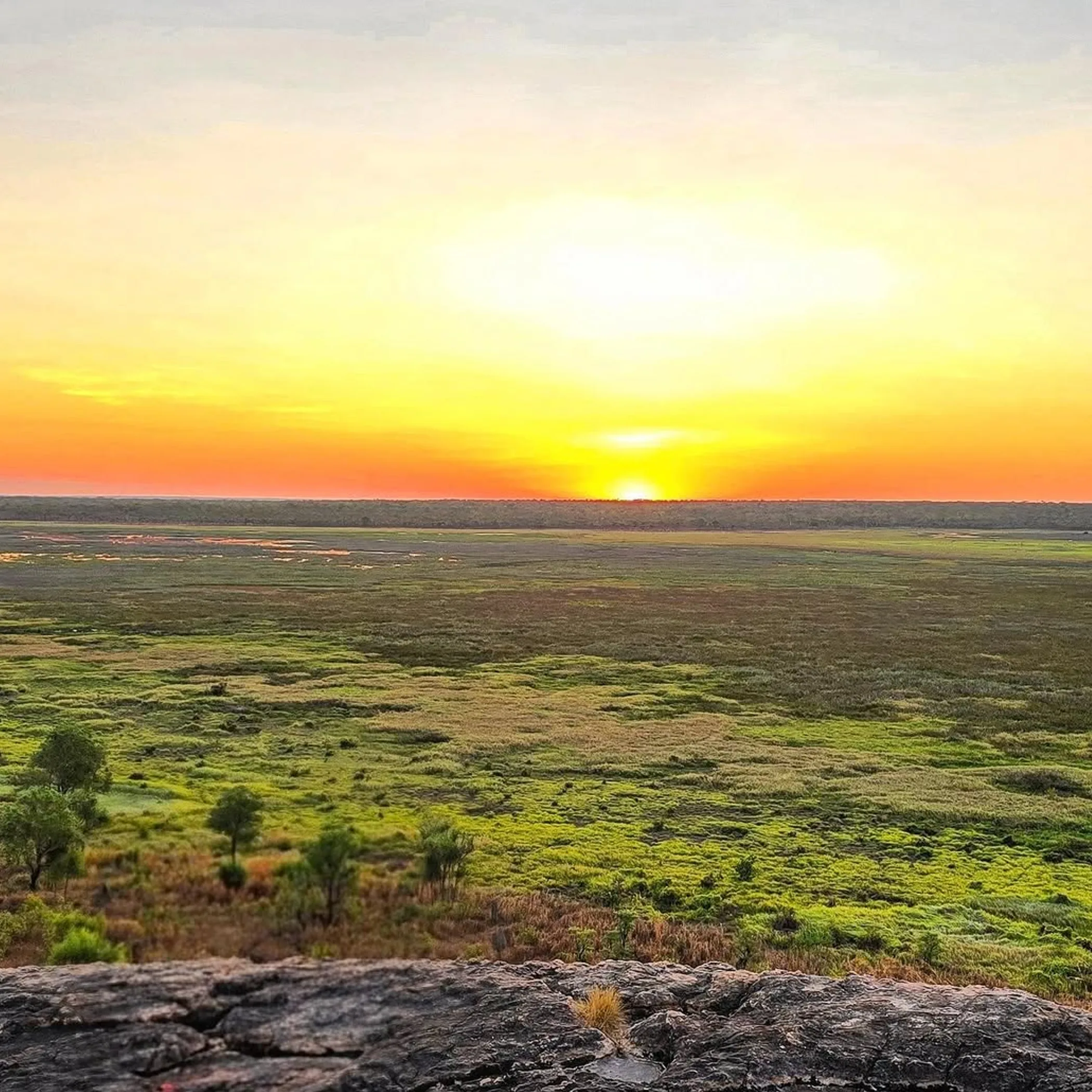
Kakadu puts on some fine moderate and challenging walks for those after more than the boardwalk can offer. They have an adventurous air but they will make you pay for any lapse in timing or water planning or for wearing the wrong shoes. Elowen Fairchild would be the first to say the park is indifferent to how fit you were on a city river walk last week; the sandstone and the heat and the miles have a humbling effect.
Yurmikmik Area
Travellers looking for a half-day’s work without the commitment of a multi-day route often opt for the Yurmikmik Falls walk. It is a case of being at ease with uneven terrain and the heat and having enough water for the return journey rather than counting on a shady spot to present itself. For a taste of the landscape with less exertion the Bukbukluk Lookout is a possibility, but in Kakadu shorter is not synonymous with easy. Mind your step on the rocks and have a drink.
Bardedjilidji And The Sandstone
Some will pick the Bardedjilidji Walk for a moderate circuit and the change of scenery. Track conditions permitting, it is a good alternative to either a flat boardwalk or a full sandstone slog.
You do the Barrk and Badbong Wodjmeng Sandstone River Walks because you like to walk, not on the principle of “we ought to do a hike”. They are exposed and demanding, hardly the sort of thing for a beginner or anyone with mobility issues or who has left it late in the day.
Twin Falls
The name of Twin Falls is one to fixate on but logistics are everything and access is very much of the season. It may not be as simple as putting the car away and strolling, so check before you put the day down.
As for the Jatbula Trail, it comes up in Top End talk but is not in Kakadu National Park. Plan it as the serious experience it is and do not just append it to a Kakadu day.
Making Sense Of The Details
A practical comparison is what is called for. If you are taking photos or moving with care on the stone or reading the signs, the published times are optimistic. The table below is put together with realistic visitor pacing in mind, not as if you are late for a flight. Distances and access are subject to management changes so use it as a guide and confirm with those on the ground.
| Walk Or Site | Typical Time | Effort | Surface | Accessibility Notes | Best For |
| Mamukala Wetlands | 20–45 minutes | Easy | Boardwalks / formed path | One of the more accommodating places for mobility support, though it is wise to see what the path is like before you go. | Birdwatching, families, shorter visits |
| Ubirr Cultural Area | 45–90 minutes | Easy To Moderate | Formed path then rocky climb if doing lookout | Partial access only; lookout section not suitable for wheelchairs | Rock art, sunset, first-time visitors |
| Nourlangie / Anbangbang Area | 45–90 minutes | Easy To Moderate | Mixed path and uneven sections | Some areas easier than others; choose lower sections for simpler access | Cultural sites, short outings |
| Nawurlandja Lookout | 30–60 minutes | Moderate | Steeper rocky path | Not suitable for wheelchairs or those unsteady on feet | View seekers who can handle stone underfoot |
| Yurmikmik Falls Walk | 2–4 hours | Moderate | Natural track, rocky and exposed | Not accessibility-friendly | Walkers wanting a half-day bush track |
| Bardedjilidji Walk | 1.5–3 hours | Moderate | Natural track | Limited accessibility; surface can be uneven | Scenery without full-day effort |
| Barrk Sandstone Walk | 2–4 hours | Challenging | Sandstone and exposed track | Not suitable for wheelchairs, prams, or beginners | Experienced walkers |
| Badbong Wodjmeng Sandstone River Walk | 2–4 hours | Challenging | Uneven natural terrain | Low accessibility; conditions matter | Confident bushwalkers |
How it is on the ground
In Kakadu a trail has a way of feeling a notch harder than one might think, courtesy of the heat and the footing. What is a moderate walk in the cool of the south is quite another matter in the Top End when the humidity is up and you have had a long drive and little sleep.
If you are using a wheelchair in Kakadu, forget the grade and look at the width of the path, any kerbs or handrails, how the car park is laid out and toilet access. That is where the experience is made.
Season, Safety And Timing
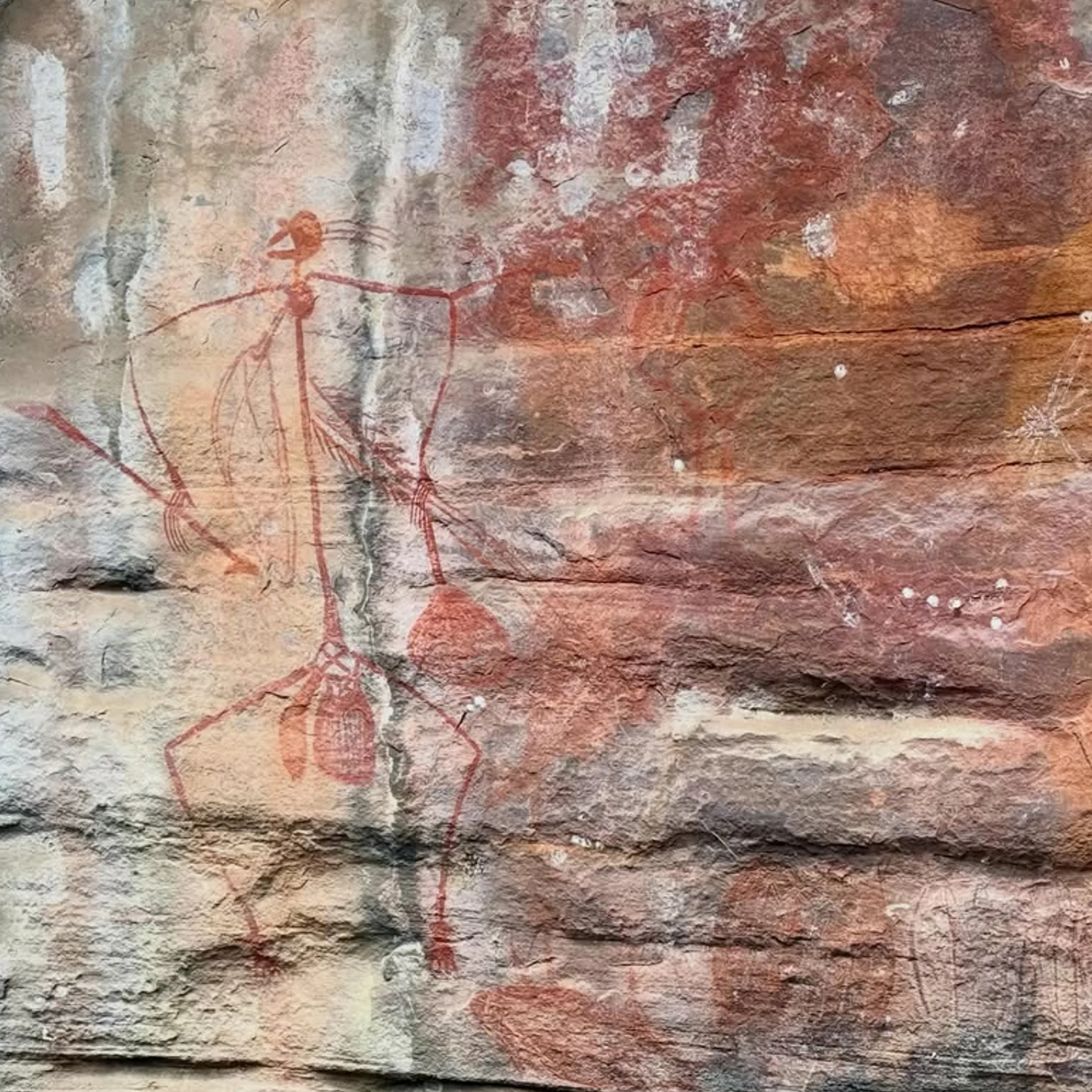
Whether it is wet or dry season is not a question of comfort alone. It dictates what is open, the safety of the track, if you can get through a creek line or if your plan is to be reduced to a series of detours.
Most walkers will find the dry season the sensible choice for a Kakadu trip: the roads and sites are there to be had and the humidity is not as much of an ordeal. The wet is beautiful but also unpredictable with its risk of flooding and closures.
What the seasons do to you
During the dry you will find more of the National Park’s access roads and hikes are on offer and walking is easier provided you are up early. Come the wetter months and seasonal closures will be in effect for certain tracks and viewing areas, particularly in low-lying spots or by the falls.
Shoulder periods should not be dismissed. A route may be open in theory but in practice is slow, muddy and slippery. After a rain the mozzies are feral and what was to be a pleasant stop for the sunset could well turn into an insect audition of sorts.
Safety of the kind that counts
- On the Yurmikmik Falls or any of the exposed sandstone walks, put in more water than you fancy carrying.
- Smooth soled sneakers on warm rock are a liability; have shoes with some grip.
- For anything other than a quick boardwalk or cultural stop, an early start is called for.
- Before you head out, the visitor centres have the word on crocodile warnings, heat and any changes to access. On a longer walk, phone coverage is apt to be patchy so let someone know where you are going.
- Your pre-booked plan means nothing if current conditions say otherwise. In the Top End being stubborn is no substitute for safety.
Maps and the like
You cannot make good use of your time in Kakadu without a proper walking map. The distances from one trailhead to the next are such that a miscalculation can see you driving for an hour or more.
Bowali Visitor Centre is where to be for an update on what is actually open and some help with the signage. They can put you right on the difference between what you read online and what is the case this week.
Getting information
Rely on Bowali for your maps and ranger reports, road and track advice. The staff at the visitor centres are of particular use if you have accessibility requirements to tell you if a route is just short or something you can really do.
Self-drivers will find parking is what it is at some of the busier sites come tour time or the change of light. Factor in time for the toilets, to load up your gear and make your way from the bay to the track. The walking track map is not the most exciting part of the day until you are hunting for the right turn after a long drive on short rations of sleep.
Costs and Logistics
Put some thought into your budget for fuel, food, accommodation and park entry before you make the journey. The Top End is not as forgiving on touring and fuel costs as a city, and proximity to the good stuff will see your accommodation bill mount in no time. A couple on a self-drive of Kakadu can find it anything from moderate to expensive, season permitting.
We have not made a fuss over permits in this guide but it is worth checking for any area-specific requirements in your planning. And if you put your faith in a guided walk, be sure to compare what is included; one operator may bundle transport, meals and park entry while another will not, and mobility considerations are not always part of the package.
How long should you stay?
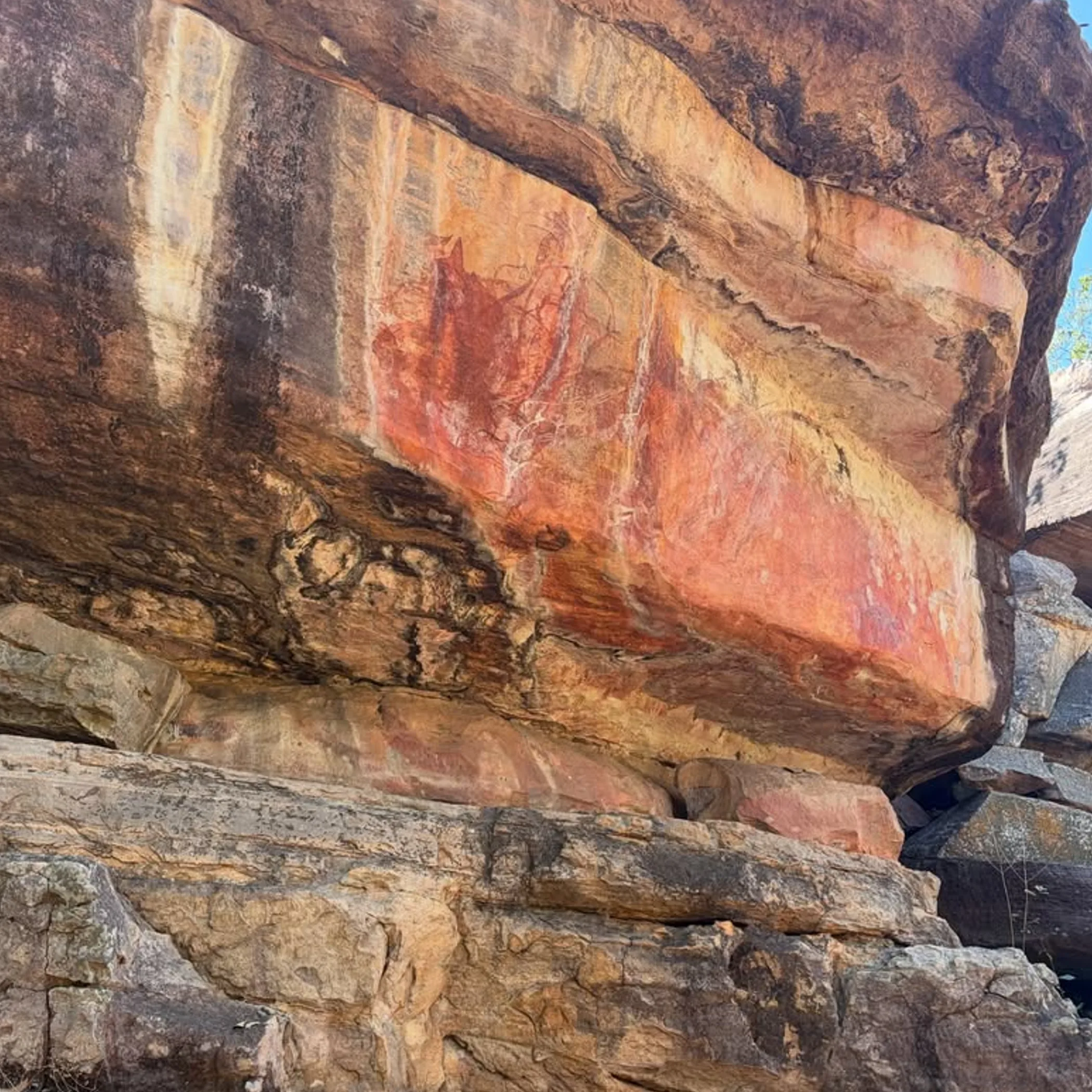
With a day to spare, be ruthless about it. Make for a cultural precinct and a wetland or two, do not attempt to zigzag the park with the nonchalance of a road train. Give it three to five days and the place becomes more coherent and less of a rush. You can then put in a cruise or a guided outing alongside the short walks that Kakadu excels at.
Doing a day right
Ubirr or Nourlangie should be your first port of call, followed by a Mamukala or Yellow Water billabong type affair. It is a sensible way to get your rock art and wildlife in without the pretence of covering all the well known sites before dinner. The error most make is to try and fit in a long walk, Twin Falls and several art sites in one go; you will spend more time looking through the windscreen than at Kakadu.
Guided or otherwise
There is value in paying for a guide for the cultural context and to have transport and mobility matters sorted. But a self-guided approach is fine for those who are confident behind the wheel and have the sense to be croc and heat wise, and to respect when conditions alter. Elowen Fairchild would argue for a guide where a group’s abilities are mixed. One is after birdlife, another wants rock art and yet another an orderly toilet stop with coffee, and the guide seems like a genius for handling it.
A practical checklist
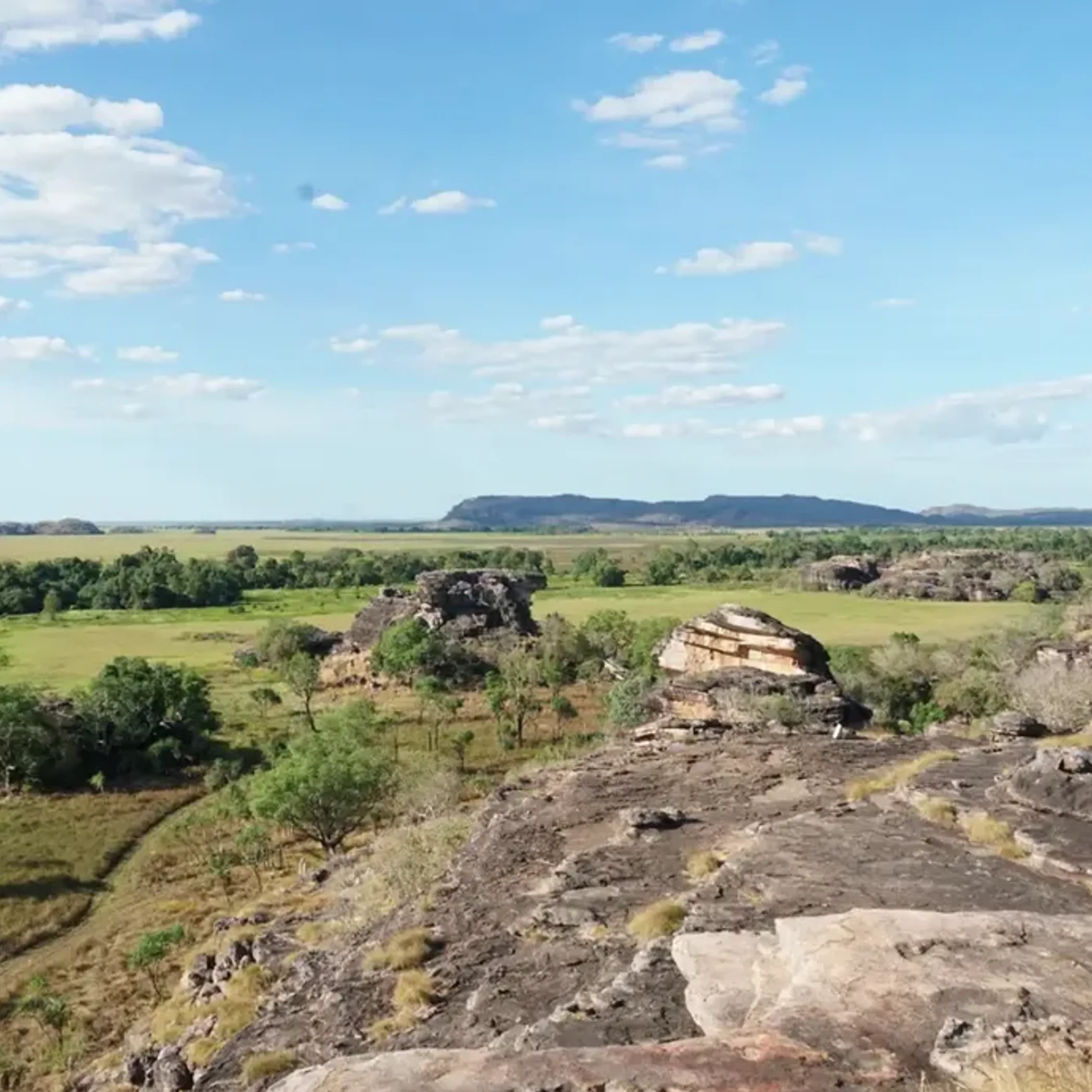
The kind of thing that is useful if a little dull, and precisely what will save your day. Kakadu is a generous country but it favours the prepared. So plan for shade, water and comfort. Then put in some more water.
- Make sure you know the state of the roads and tracks and any closures before you head out.
- Have sun protection, insect repellent and snacks to hand, along with a spare bottle of water for each person.
- Should you require mobility support, enquire as to the gradients, surface, parking and so on.
- And download your maps, reception is not to be trusted.
- Leave your itinerary lighter than you feel called for.
Elowen Fairchild’s view
Do not assume the finest walking in Kakadu is going to be the longest or most arduous. It is the trail that accords with your patience and the weather and your body on the day. Some will relish a sandstone climb and a half-day track, others will derive more from a leisurely boardwalk or a rock art stop by the wetlands.
Plan in an honest fashion and Kakadu will give you what you want. Do it by the book and by mid-afternoon it will have reduced you to a cranky, sweaty state. Get an early start, check in with Bowali, pick walks for the group you have and let things take their course.
Frequently Asked Questions
Walking trails in Kakadu: which are best?
It is a matter of season and mobility. Easier outings are to be had at Mamukala Wetlands, around Nourlangie and Anbangbang Billabong or in parts of Ubirr. Put in some effort and there is the Yurmikmik Falls or Bardedjilidji Walk, or some of the sandstone routes if the conditions are right.
What is the requisite time to explore?
A day will suffice for a taste of a major cultural site and a wetland. For a better balance of flexibility, rock art and wildlife you are better off with a minimum of three to five days.
Is there a map of the trails in the national park?
You will find the most dependable map with the official Parks Australia or at a visitor centre, not in some online screenshot. Walking routes and access can be subject to change, so start with Bowali Visitor Centre.
Top 10 in Kakadu National Park
You will find Ubirr, Nourlangie and Anbangbang Billabong among the more popular choices, as well as Nawurlandja Lookout, Yellow Water Billabong, the Mamukala Wetlands, a number of Yurmikmik area walks, scenic drives, cultural interpretation sites and some guided excursions that put things in a local perspective. As for what to put on your own top 10 list, it is a matter of what season it is, your fitness level and if you are after birdlife or rock art, longer walks or something with family appeal.
Does Kakadu have any truly accessible walks?
It does, though one would be hard pressed to find them in every corner and in reality not every walk billed as “easy” is accessible. The ones in Kakadu that are, tend to be boardwalks or formed paths in the wetland and other visitor areas. We would advise checking in with park staff for up to date information on wheelchair accessibility at Kakadu; access points and conditions are subject to change by way of maintenance or otherwise.