
Do not make light of the subject of vaping and plastic surgery recovery in this country. Put simply, those contemplating an operation should be aware that vaping is a factor in poor healing, wound issues, infection, anaesthetic trouble and results you will not be happy with, provided there is nicotine in the vape. You would be surprised how much more of an issue most surgeons and anaesthetists in Australia make of it than their patients do.
I am Elowen Fairchild and I have no time for marketing fluff on a matter like this. It is easy to put down vaping as the harmless relative of the cigarette and think it will do no damage come surgery time. That is where people are mistaken. Your surgeon is not being difficult when he or she says put it down; in the business of smoking and recovery process, vaping is no free pass.
The Necessity of Knowing This Before Surgery
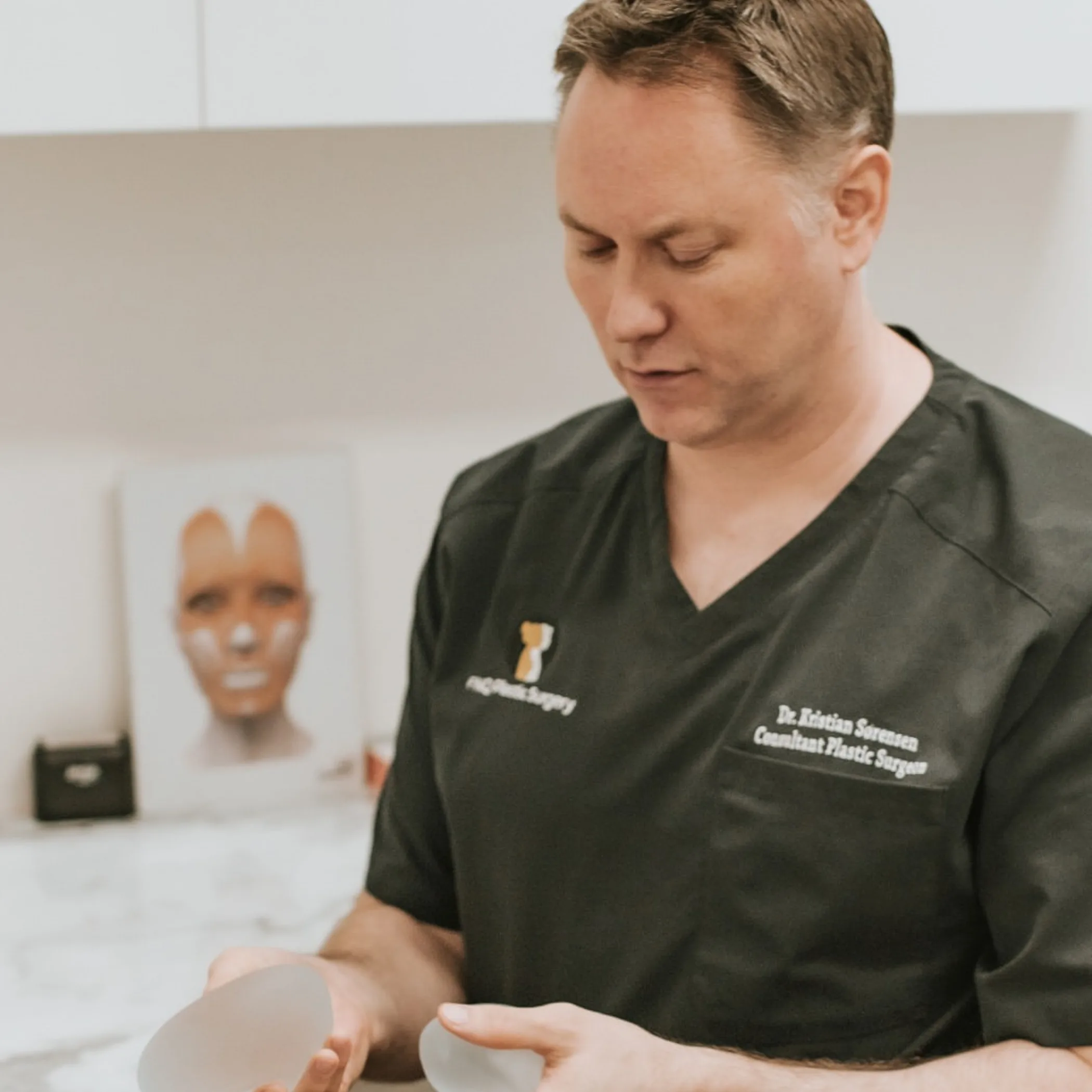
For a good recovery from plastic surgery your tissues have to function as they should, at the proper time, and that requires adequate blood supply, oxygen and control of inflammation. Vaping can upset the applecart of that process. Should healing go astray the consequences are more than cosmetic: you are looking at more dressings and antibiotics, extra visits, a protracted recovery or even revision work and tissue loss.
Be it breast augmentation, a tummy tuck, facelift, blepharoplasty, reduction or skin cancer reconstruction, this is pertinent to all elective and reconstructive work in Australia. The more you care about the incision line, the more you should care about this.
Nicotine and the Healing Process
It is the nuts and bolts of it, but understanding what inhaled vapour and nicotine do to the body makes the surgeon’s insistence on cessation seem less arbitrary and more like sound risk management.
A Constriction of Blood Flow
Nicotine is a vasoconstrictor. To put it plainly, it narrows the blood vessels so healing tissue is short changed on blood, nutrients and oxygen while the body is at work closing incisions. When a procedure calls for a fine blood supply to skin flaps or tightened edges, the lack of tissue oxygenation is something any surgeon will tell you is a major impediment to wound healing.
Less Oxygen Where It Is Needed
Think of healing tissue as a worksite needing its deliveries. Pinch the blood flow and oxygen delivery is down, which means the body is not going to put down collagen and effect repairs with any efficiency. Wound dehiscence and pronounced scarring are some of the risks. And do not think a couple of puffs is nothing in the eyes of a surgeon; they are concerned with the cumulative effect and the timing, not whether you see yourself as a “serious vaper”.
Unpredictable Inflammation
Then there is the question of the liquids and aerosols one inhales. Nicotine is the prime worry but airway irritation and other inflammatory effects are part of the equation too. For a body already under surgical stress it is not the best of times to add to the inflammatory load.
Complications That Can Arise
You may not want to read this part, but it is worth making a note of. The point is not that a vaper is in for a disaster, but that you are more likely to encounter infection, substandard results and healing problems than is necessary.
Wounds and Infection
With low levels of oxygen in the tissue the body has a harder time with bacterial growth and getting a wound to heal. Dehiscence is a possibility, as is drainage and infection. In the clinic one sees it in a wound that is not progressing as it should, is a bit oozy and perhaps has an odour, or is just angrier than it ought to be. Some patients feel they are overreacting to make a call. They are not. Have it reviewed early.
Loss of Tissue
Tissue necrosis is among the more serious of concerns; without sufficient blood supply the tissue dies. Any procedure that entails undermining or reshaping of the skin is vulnerable to this. Surgeons are forthright on the need to quit in the perioperative period for good reason. Nicotine can turn a bad situation worse if the blood supply is already compromised. Scarring And The Cosmetic Result
With plastic surgery one is as much paying for the healing process as for the procedure. When that healing is not up to par, scars can be less predictable, take their time to settle or turn a darker and wider shade. This is of consequence no matter if the scar is on the face, eyelid, abdomen or in the breast fold.
Problems With Breast Implants
There are particular risks with vaping when it comes to breast augmentation. A surgeon will have his or her concerns about an incision that does not heal in a timely fashion, infection and the prospect of complications that can mar the outcome of the implant. In any discussion of breast surgery, smoking and nicotine are regarded as risk factors you can do something about; they are among the things that contribute to capsular contracture.
| Risk Area | How Vaping May Affect It | Why Patients Notice |
| Blood flow | Nicotine brings on vasoconstriction | More swelling and a lower quality scar |
| Oxygenation | Tissue oxygenation is down | Weaker repair of the wound and a protracted recovery |
| Incisions | The risk of dehiscence is greater | Discharge, the need for extra dressings and opening |
| Skin viability | Should the blood supply be compromised | Severe cases see tissue necrosis or skin loss |
| Implant surgery | More stress on the pocket and incision during healing | Raising the risk of a substandard cosmetic result |
Then There Is The Anaesthesia
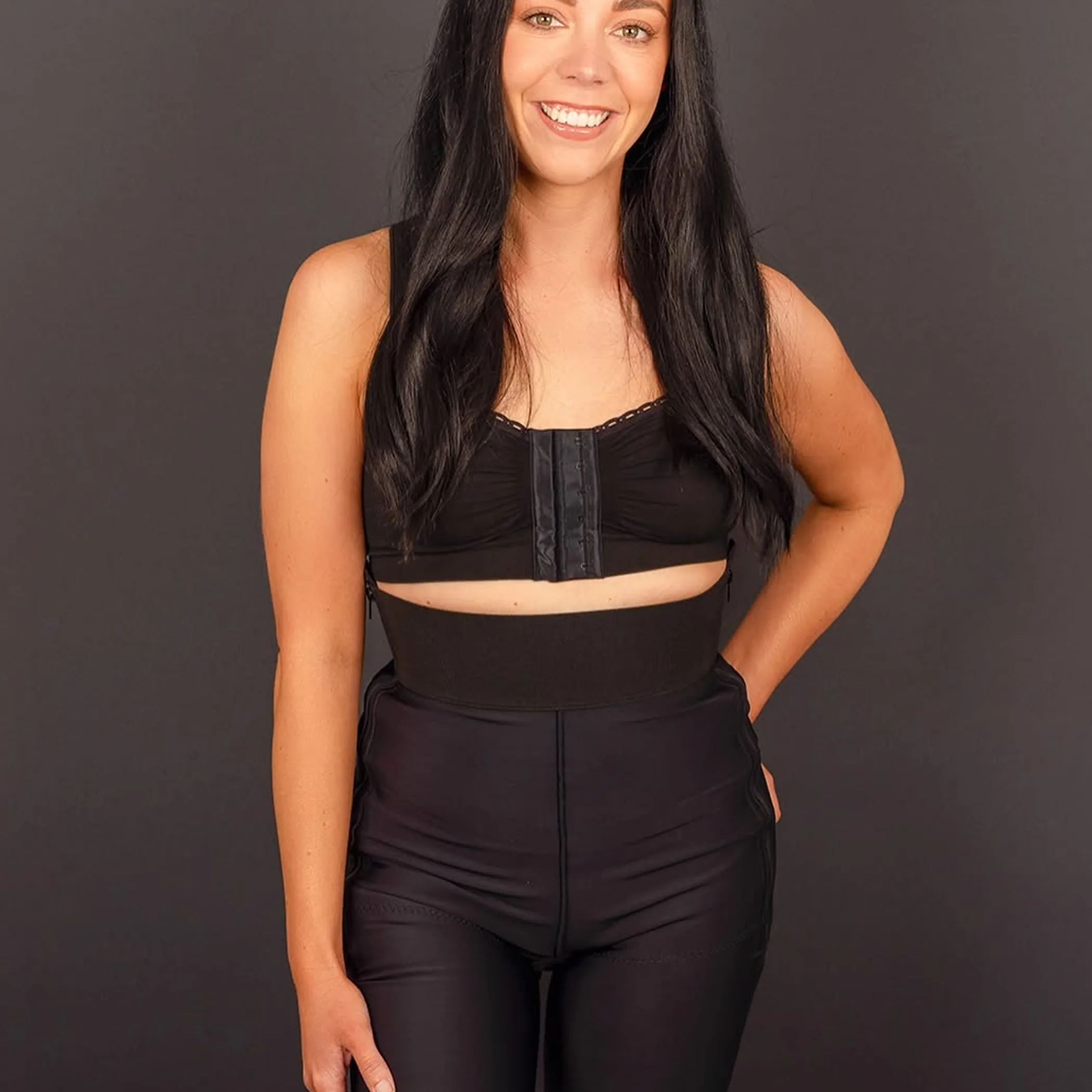
What transpires once the bandages are on is not the whole story of recovery. Before and through the surgery, anaesthesia and vaping come into play, with respect to how the body takes to sedation and general anaesthetic and the state of the lungs and airways.
An Irritated Airway
If you vape on a regular basis the throat and lungs may not be as settled for anaesthesia, with increased secretions. Your anaesthetist will be looking to keep matters safe and smooth but you could be prone to a reactive airway, bronchospasm or coughing.
The Australian and New Zealand College of Anaesthetists (ANZCA) has public information explaining that smoking affects the heart and lungs and increases surgical and anaesthetic risks. Their patient guidance also notes that quitting smoking before surgery can improve recovery and reduce complications. See ANZCA patient information about smoking, surgery and anaesthesia.
A 24-Hour Window Is Not Enough
Some might think they can put off vaping until 24 hours before anaesthesia. It is not a rule to be relied upon. While a day is preferable to doing it on the way to hospital, it is not what most plastic surgeons would call pre-op optimisation. When your surgeon tells you to desist, he means it.
The View Of Australian Specialists
In Australia it is not considered harmless simply because it is not a cigarette. The line you will hear in plastic surgery clinics is to be open about any use of nicotine, be it a patch, gum, disposable or refillable vape, a pouch or even “social” vaping.
The Australian Society of Plastic Surgeons and Plasticsurgery.org.au emphasise careful consultation, risk disclosure, and choosing qualified specialists. Individual surgeons and clinics such as Hunter Plastic Surgery, Dr Jeremy Hunt, Dr Turner, Cosmeditour, FNQ Plastic Surgery, and Dr Rebecca Wyten publish or discuss nicotine cessation expectations in the context of surgical safety, though exact timelines can vary by procedure and clinician. That variation is normal. It is not a sign the risk is made up. It is a sign surgeons tailor advice to the operation, your health, and their complication threshold.
How Long To Stop?
Your surgeon has the final say on that. But in the main, plastic surgery operates by some fairly strict timelines.
Pre-Op
It is not uncommon for a surgeon to insist on being free of nicotine for a good few weeks, four being a minimum of sorts, and longer where the procedure is higher risk. Three weeks is better than the night before but it may not satisfy your surgeon.
Post-Op
Until the surgeon is content with how things are going and the wounds and swelling have put in their time, you will be advised against vaping. For a facelift, breast or other body work where tissue viability is at issue, this can mean several weeks or more.
| Stage | Common Practical Approach | What People Overlook |
| Pre-op planning | Have the matter of vaping broached at the first consult | An “occasional” session still counts |
| Before surgery | Four weeks without nicotine at the very least | 24 hours is not sufficient |
| Right after | Put all nicotine aside | Vaping out of stress will undo early healing |
| Back to normal | Do not make the assumption that closed skin equates to full healing | Wait for clearance from your surgeon |
Vaping: Don’t Assume It Is A Safe Alternative
There is a question as to whether vaping is any safer than smoking in the run up to surgery. In public health circles at large one may put it in a different category from combustible smoking, but when it comes to plastic surgery recovery that distinction is not as comforting as you might like.
Nicotine is the problem and it is front and centre for proper healing. As long as the product has nicotine in it, there are the usual worries over vasoconstriction, wound healing and tissue oxygenation. And do not be too casual about claims of being nicotine free prior to an operation; labelling can be unreliable. The surgeon will likely insist on no inhaled vaping products of any kind in the perioperative period.
Making The Most Of Your Odds
Guilt does not get you anywhere, practical planning does. Should you have to quit for your surgery, make an early start and put some support in place before the stress of it all sets in. Some can white-knuckle it on their own, but with pre-op nerves coming on most will find they cannot.
- Be forthright at your consult. Let your surgeon, GP and anaesthetist know what you are using, how often and if it is laced with nicotine.
- Find out from them the length of the nicotine-free window they require for your particular procedure.
- Have a talk about preoperative smoking cessation Australia services, behavioural counselling and the suitability of replacement therapy.
- If you find it is not as easy as thought, get in touch with Quitline Australia via your state or territory.
- And in the week before surgery put away the chargers, pods, backup devices and those “emergency” disposables.
Elowen Fairchild has observed time and again, in matters of health and otherwise, that people will make plans for the event and overlook the mundane logistics. If you mean to quit, consider the times you would normally have a vape: with your coffee, driving, after an argument or a meal, or scrolling late at night. These are where you are vulnerable, not a matter of character.
A Slip Up In Recovery
Patients will sometimes have a quick hit during recovery out of boredom or discomfort, or because they are under the impression it is of no consequence. Do not put it past yourself and then hide it. Your surgeon would prefer to have the whole story rather than be left to judge a wound with information missing.
Should you have vaped, put in a call to the clinic and see what they would have you do. Repeated use after surgery alters the risk and your team should be made aware. Be on the lookout for any signs of trouble: redness that is getting worse, pain, darkening of the skin, an incision opening up, pus, fever, a bad odour, unusual firmness about the implants or swelling in reverse.
For Whom There Is No Compromise
With certain patient groups and procedures there is little room to manoeuvre. A history of healing problems, or work such as a tummy tuck, breast implants, facial lift, reduction or anything requiring large skin flaps means your margin for error is reduced.
Nor is it wise to wing it with diabetes, lung or vascular disease, autoimmune conditions, previous complications with wounds or a lot of nicotine in your past. Call it risk stacking, not moralising.
What You Expect And What You Get
You might think the surgical risk is negligible since vaping is better than smoking. The reality in plastic surgery is that nicotine is the troublemaker and the tissue is indifferent to a fashionable mango cloud. Or you could believe the healing is finished once the wound is closed. Internal healing goes on for weeks or months, so vaping is still an issue even after the worst of the bruising is gone.
Some Common Queries
Patients will ask these questions in search of a loophole. Surgery is costly and inconvenient and nicotine is a hard habit to break. But the plain answer is the safest.
How soon after plastic surgery?
When the surgeon deems it safe. For anything with high healing demands you will be told to put off vaping for a good few weeks at least. To do so while the wounds are not settled is to invite complications.
Three weeks beforehand?
Better than a day or a week. Yet some Australian surgeons will want four weeks clear of nicotine, so three may not be enough for your surgeon.
Is it bad for post op healing?
It can be. Vasoconstriction, infection, necrosis, poor scarring and wound dehiscence are among the risks, particularly with nicotine.
24 hours to the anaesthetic?
Do not count on 24 hours being sufficient. Between the airway irritation and the nicotine it is not a good combination with anaesthesia. Tell them of any recent use and stick to their instructions.
The label says no nicotine?
Then do not base a surgical decision on the packaging. With healing at stake you should not be cavalier about what the label says. Complete avoidance is what the surgeon may well recommend.
In Short
For anyone having plastic surgery the sensible thing to do is to stop vaping at the earliest opportunity and be open with your medical team until you are given the all-clear. That is how you ensure a lower risk of complications and a result you will not look back on with regret. Pre-op optimisation is not glamorous, it is a case of admin and discipline and some awkward conversations. Then again, when you put it against revision surgery or a wound breaking down, it is a fair trade.